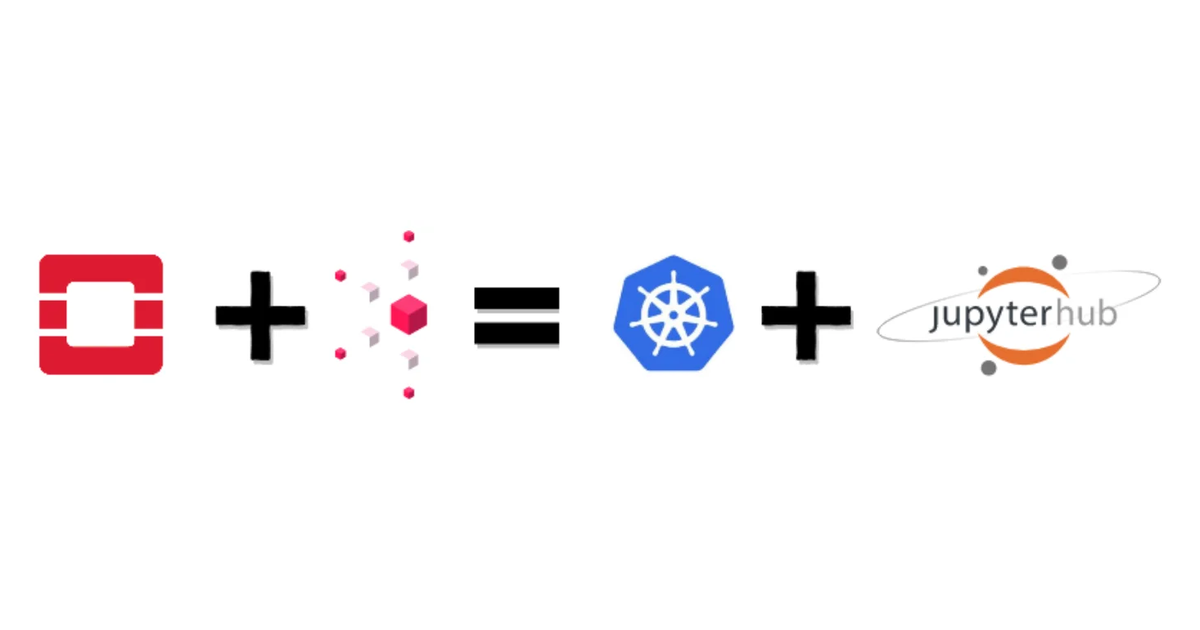
Deploying JupyterHub with Kubernetes on OpenStack
Jupyter is now widely used for teaching and research. The use of Kubernetes for deploying a JupyterHub has enabled reliable setups scaling to thousands of users.


Jupyter is now widely used for teaching and research. The use of Kubernetes for deploying a JupyterHub has enabled reliable setups scaling to thousands of users.
We’re excited to announce the next JupyterDay event! Please join us for JupyterDay in the Triangle on November 13, 2018 at the Carolina Club on the University of North Carolina at Chapel Hill campus.
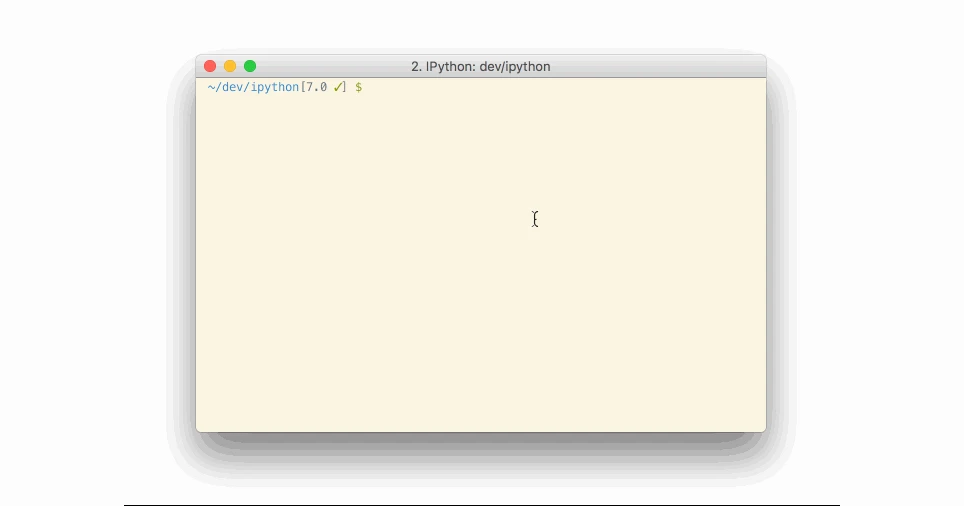
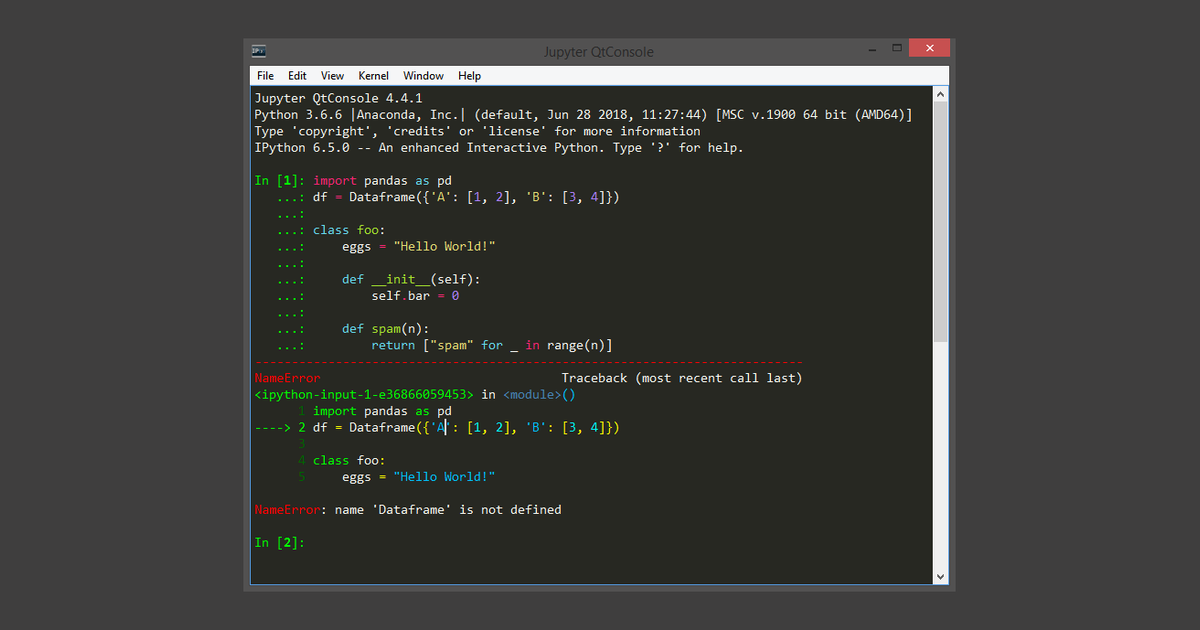
Today we are pleased to announce the release of IPython 7.0, the powerful Python interactive shell that goes above and beyond the default Python REPL with advanced tab completion, syntactic coloration, and more. It’s the jupyter kernel for python used by millions of users, hopefully including you.
Now with editor integration (build your own IDE!), selectable color schemes, block indent, smart select and delete, and more!
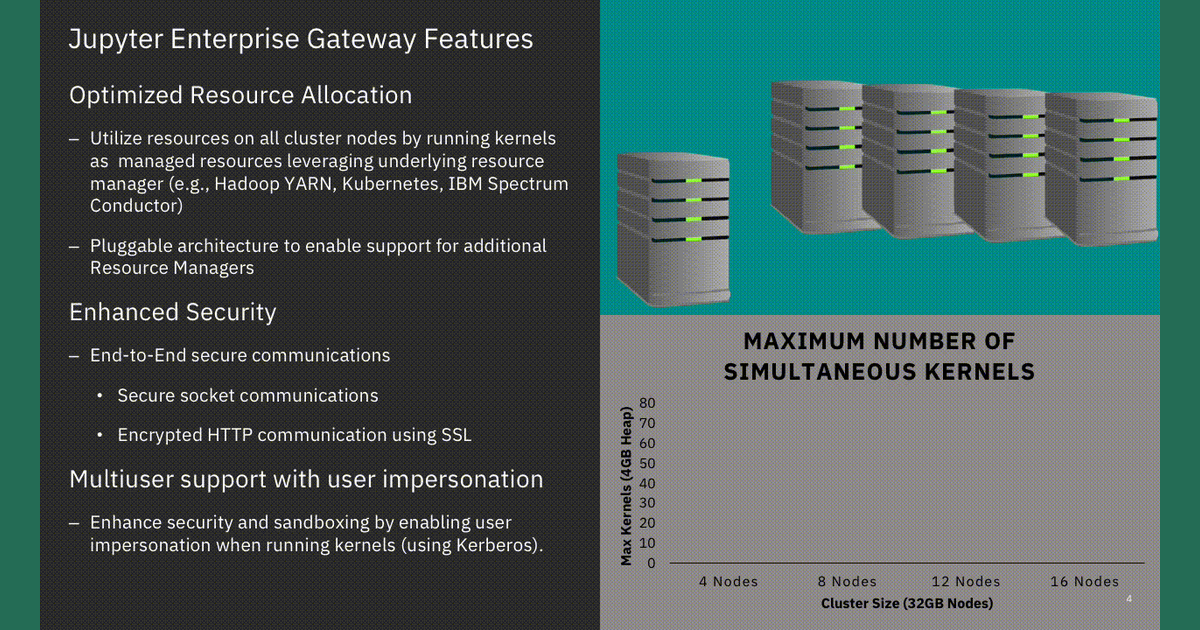
Yesterday, the Jupyter Steering Council voted to make Jupyter Enterprise Gateway a top-level Jupyter Project.
I’m on the train to NY, giddy in anticipation of the Jupyter community celebrating together for the second year. It was a privilege for me to be invited to keynote last year, at the inaugural JupyterCon.
We recently announced a call for proposals for Jupyter Community Workshops.
We have just released Jupyter Notebook 5.6.0. This release fixes a vulnerability that could allow a maliciously crafted notebook to execute JavaScript when it is opened, bypassing the trusted-notebook mechanism.
Bloomberg is a long-time partner and supporter of Project Jupyter. Earlier this year Bloomberg announced funding of $120,000 to enable Project Jupyter to host a series of Jupyter Workshops in 2018.
We are pleased to announce the latest release of JupyterHub. JupyterHub is the multi-user server for Jupyter notebooks, allowing students or researchers to have their own workspace. This release has lots of improvements, especially for stability and performance with large numbers of users.
When we decided to rename part of the IPython project to Jupyter in 2014, we had many good reasons. Our goal was to make (Data)Science and Education better, by providing Free and Open-Source tools that can be used by everyone.
We are pleased to announce the release of Jupyter Notebook 5.5.0.
It is our pleasure to announce that Project Jupyter has been awarded the 2017 ACM Software System Award, a significant honor for the project.
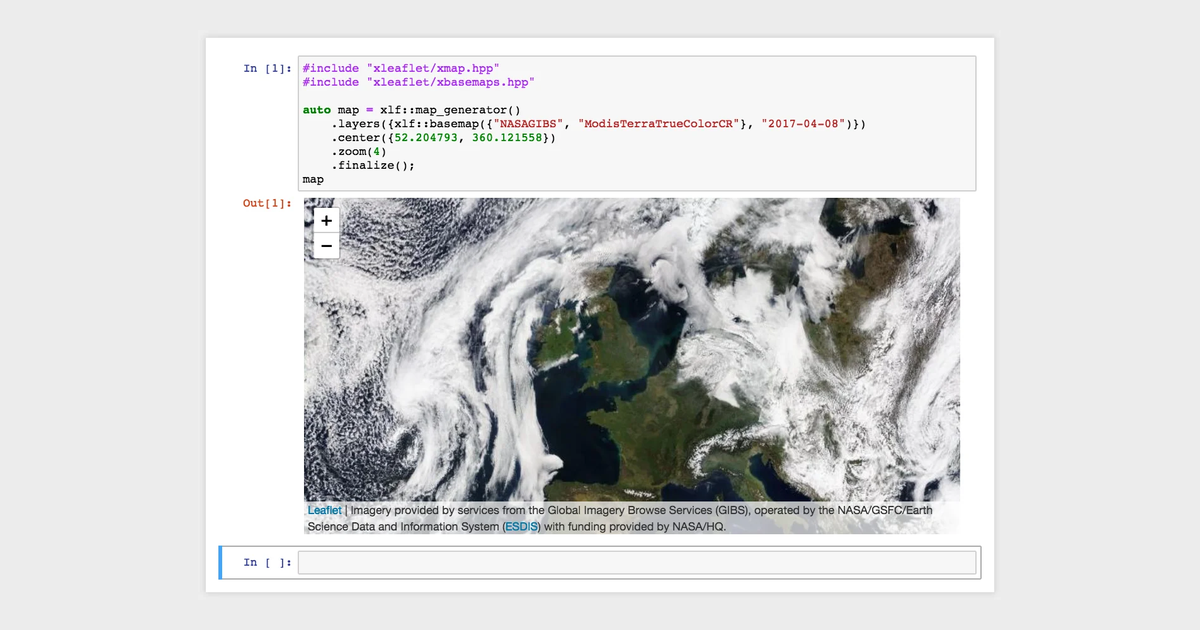
The recent release of the Jupyter kernel for C++, based on the Cling interpreter enabled a number of new workflows for the users of the C++ programming language.
For the past six months, the Project Jupyter team in collaboration with O’Reilly Media and NumFOCUS have been planning JupyterCon 2018.
This is a guest post on how members of the Jupyter community publish code, visualizations, and text using Jupyter Notebooks. We’re excited the Design Lab is sharing their research and data on the blog.
Discover how data-driven organizations are using Jupyter to analyze data, share insights, and foster practices for dynamic, reproducible data science.
Versioning, packaging, and execution are well understood and universally adopted in source code management. In this article we’ll explore a collection of services that version, package, and marshal data — Quilt.
A Hands-On Guide
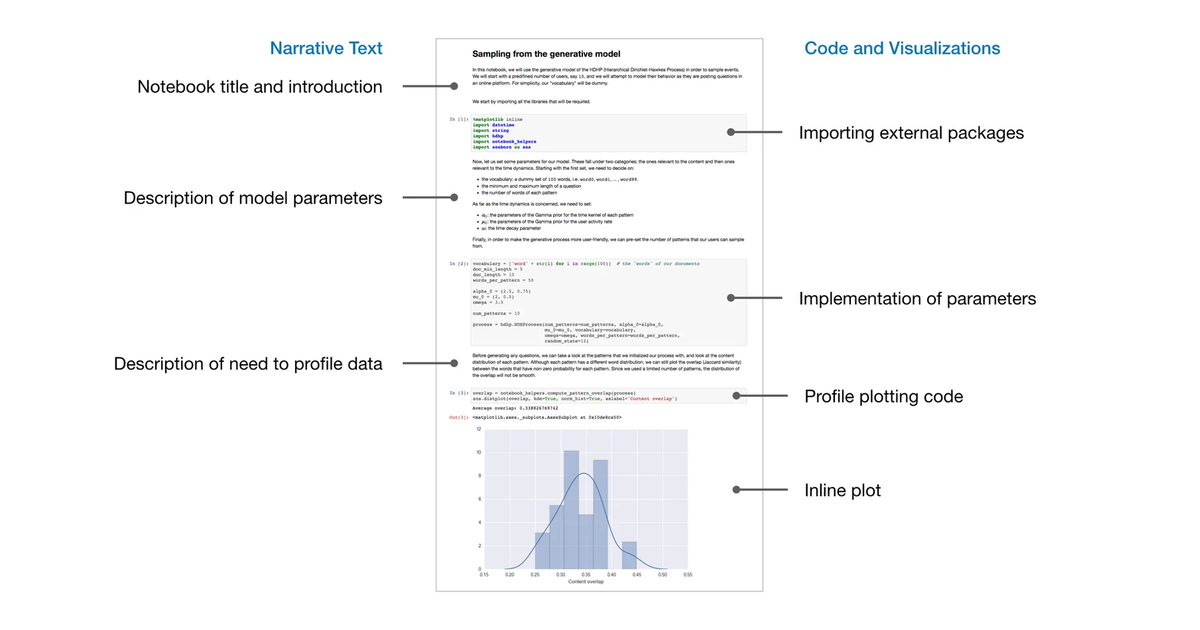
With the success of the notebook file format as a medium for communicating scientific results, more than an interactive development environment, Jupyter is turning into an interactive scientific authoring environment.
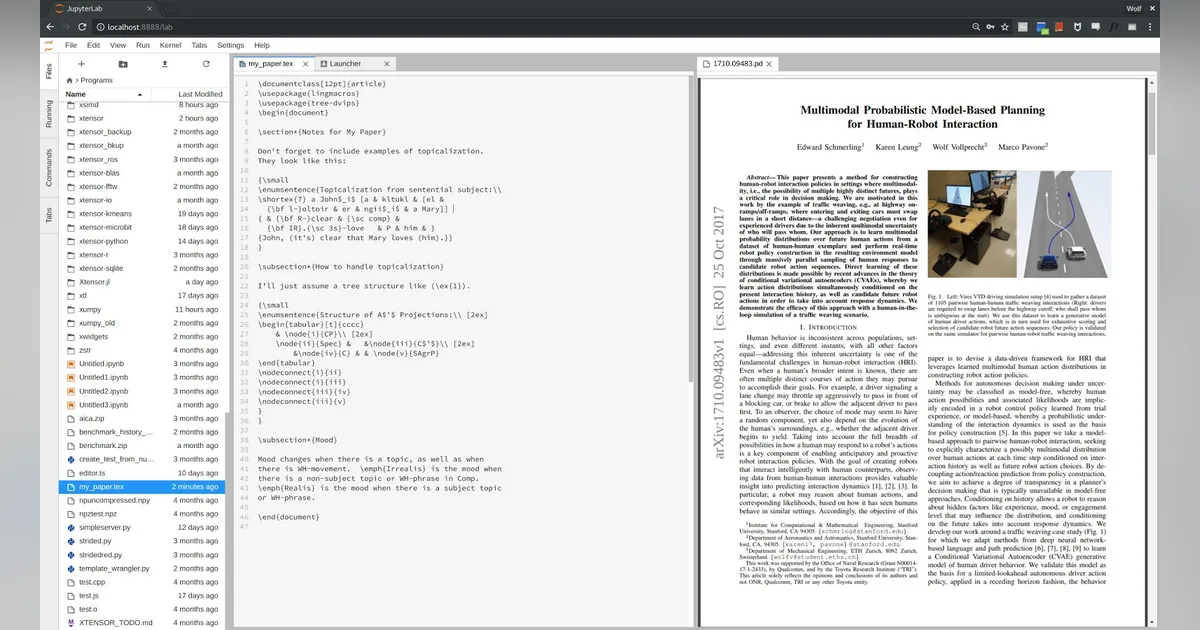
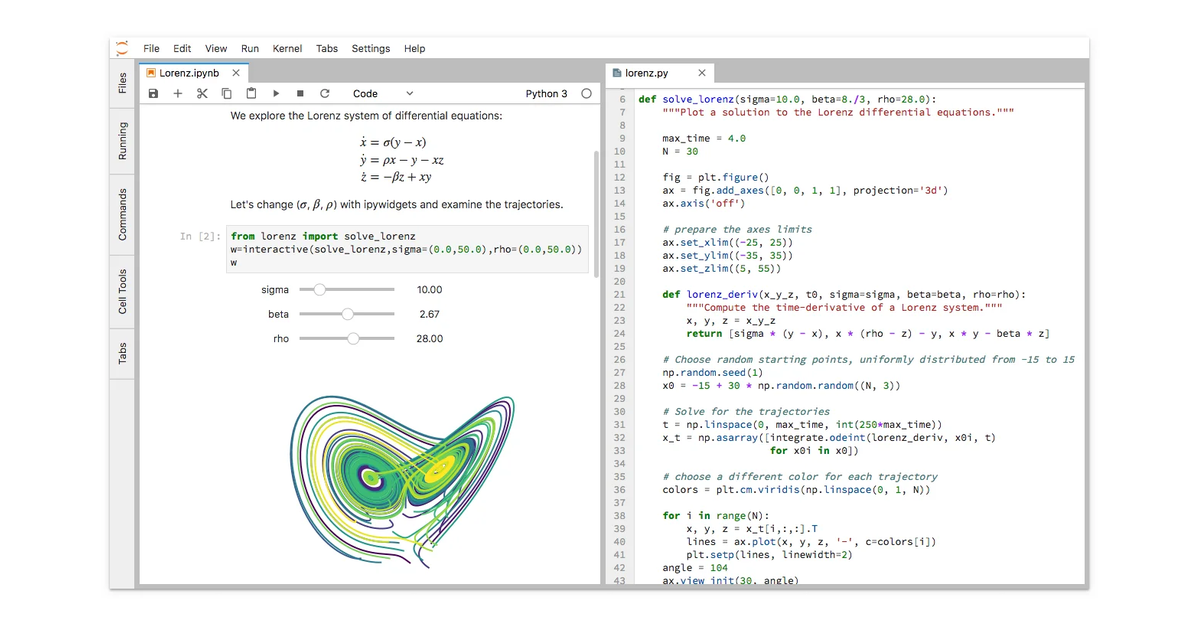
We are proud to announce the beta release series of JupyterLab, the next-generation web-based interface for Project Jupyter.
This vulnerability has been assigned CVE-2018-7206
A new series of local Jupyter events, starting in Boston
Jupyter Day Atlanta is a single-day conference showcasing the talented work by the Jupyter community and users.