JupyterCon 2018: Call For Proposal
It is with great pleasure that we are opening the Call For Proposals (CFP) for JupyterCon 2018!


It is with great pleasure that we are opening the Call For Proposals (CFP) for JupyterCon 2018!
We are pleased to announce the release of Jupyter Notebook 5.3.0.
JupyterHub makes it possible to serve Jupyter instances to multiple users. The JupyterHub Helm Chart makes it possible to run this setup on kubernetes, making JupyterHub more scalable, stable, and flexible.
update: December 14, 20:45 UTC, all services should be restored and back up.
With this post we are proud to announce the next version of Binder. It aims to be more modular, more flexible, more stable, faster, and more extensible than its predecessor.
Scientists, educators and engineers not only use programming languages to build software systems, but also in interactive workflows, using the tools available to explore a problem and reason about it.
tl;dr: don’t disable notebook authentication!
About a year ago the Jupyter team started a partnership with O’Reilly Media and NumFOCUS to organize JupyterCon 2017, the first in a series of Jupyter-related conferences.
On behalf of the entire Project Jupyter team, we’d like to say congratulations to Rainer Weiss, Barry C. Barish, Kip S. Thorne and the rest of the LIGO and VIRGO teams for the Nobel Prize in Physics 2017.
We are pleased to announce the release of Jupyter Notebook 5.2.0. This is a minor release that includes mostly bug fixes and improvements with the notable addition of RTL (right-to-left) support.
We are pleased to announce the release of JupyterHub 0.8. This is a big release with many fixes and improvements, and some major changes.
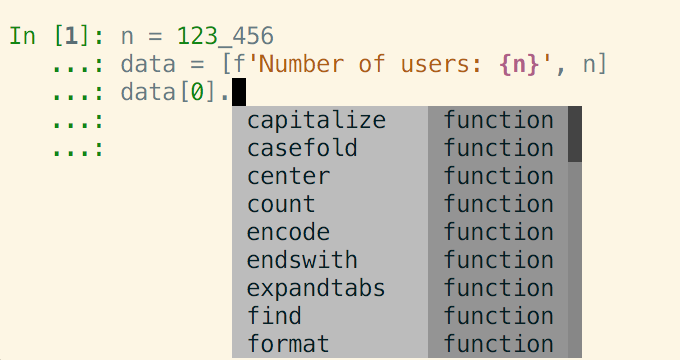
Four month after releasing IPython 6.1 and 5.4, and a couple of hours after the release of the notebook 5.1, we are happy to announce the release of IPython 6.2 (Python 3 only), and it’s cousin IPython 5.5 still compatible with Python 2.7.
We are pleased to announce the release of Jupyter Notebook 5.1.0. This is a minor release that includes mostly bug fixes and improvements with the notable addition of i18n (internationalization and localization) support.
We’re just weeks away our first Jupyter community conference, JupyterCon. It will take place from August 22nd to 25th (and Sprints 26th), in the beautiful city of New York.
The JupyterHub team proudly announces the release of a helm chart for deploying JupyterHub on Kubernetes clusters. We’ve designed the JupyterHub helm chart to save you time in creating JupyterHub deployments.
Slightly over a month ago we released IPython 6.0: the first version of IPython to be compatible only with Python 3. The reception of IPython 6.0 was great, and the codebase way more maintainable.
It is with great pleasure that today we released IPython 6.0 — almost a year after the 5.0 version. Users on Python 3.3 and above can get this latest version with all its new features by asking your package manager to upgrade IPython.
We are pleased to announce the release of Jupyter Notebook version 5.0. This is the first major release of the Jupyter Notebook since version 4.0 and the “Big Split” of IPython and Jupyter.
For the past few years, Project Jupyter has been collaborating with IBM on a number of initiatives.
We are pleased to announce the release of ipywidgets 6.0, the Jupyter interactive widget library. Jupyter interactive widgets enable building simple GUIs in the Jupyter notebook.
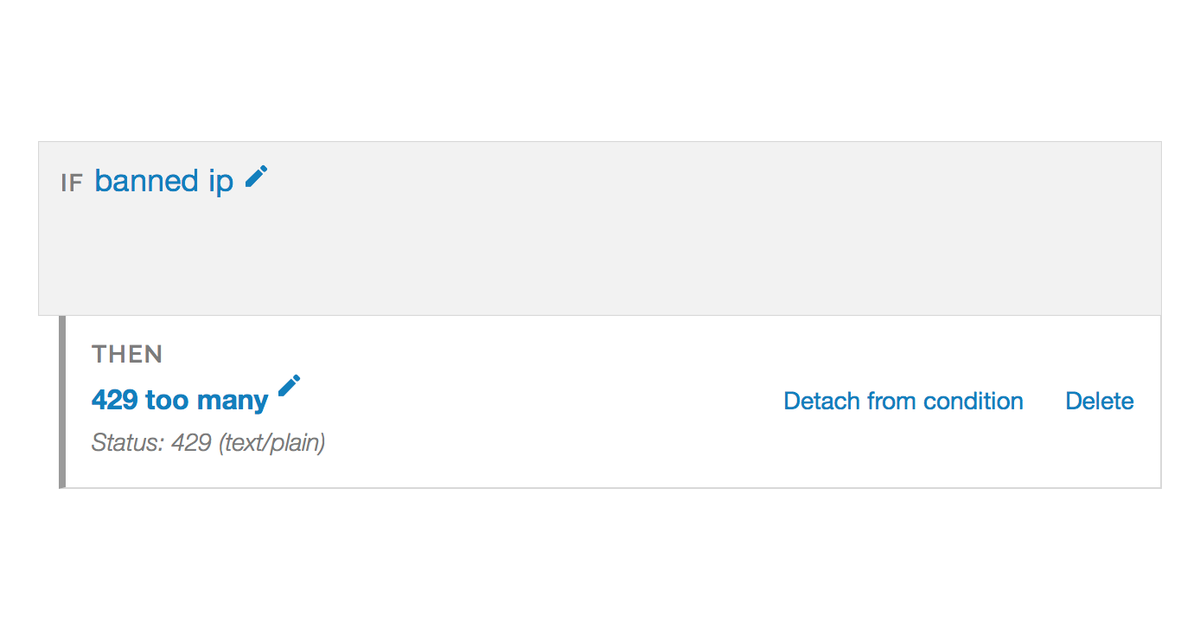
It turns out that some overzealous SEO bots were eating up all of our resources. Last week, we discovered this cause of the API rate limit exhaustion and took a few actions to resolve it.
This is a guest post by John, who initially sent it to our mailing list; we believe that it’s an interesting story, so we wanted to share it on here on the blog.
A statement from Project Jupyter regarding the January 27 United States Executive Order on immigration
It is my pleasure to announce that this year, we’ll be having our first Jupyter community conference, JupyterCon. It will take place in late August in the beautiful New York City.