JupyterHub 6.0
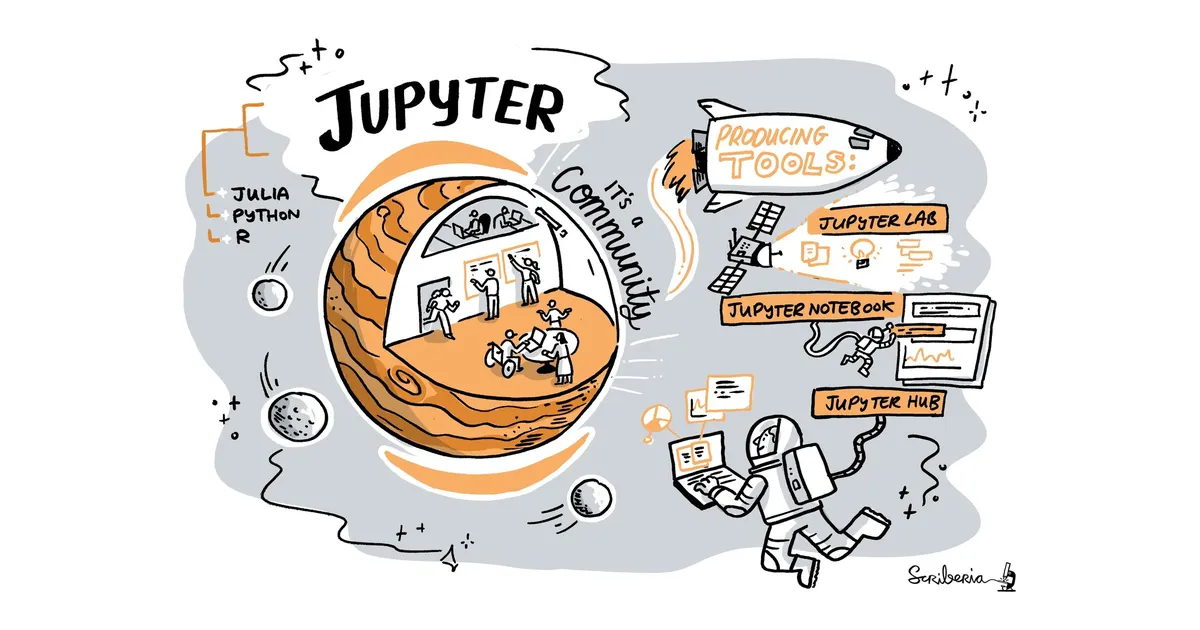
JupyterHub is a collection of tools that provides standardized, user-friendly computing environments for education and research. Today, we’re...


JupyterHub is a collection of tools that provides standardized, user-friendly computing environments for education and research. Today, we’re...
Academic institutions can now offer Positron directly within their existing JupyterHub environments, giving students access to a modern,...
There are moments in life when things, simply, converge. You work and study, study and work, and then, simply, it happens. It starts one day when...
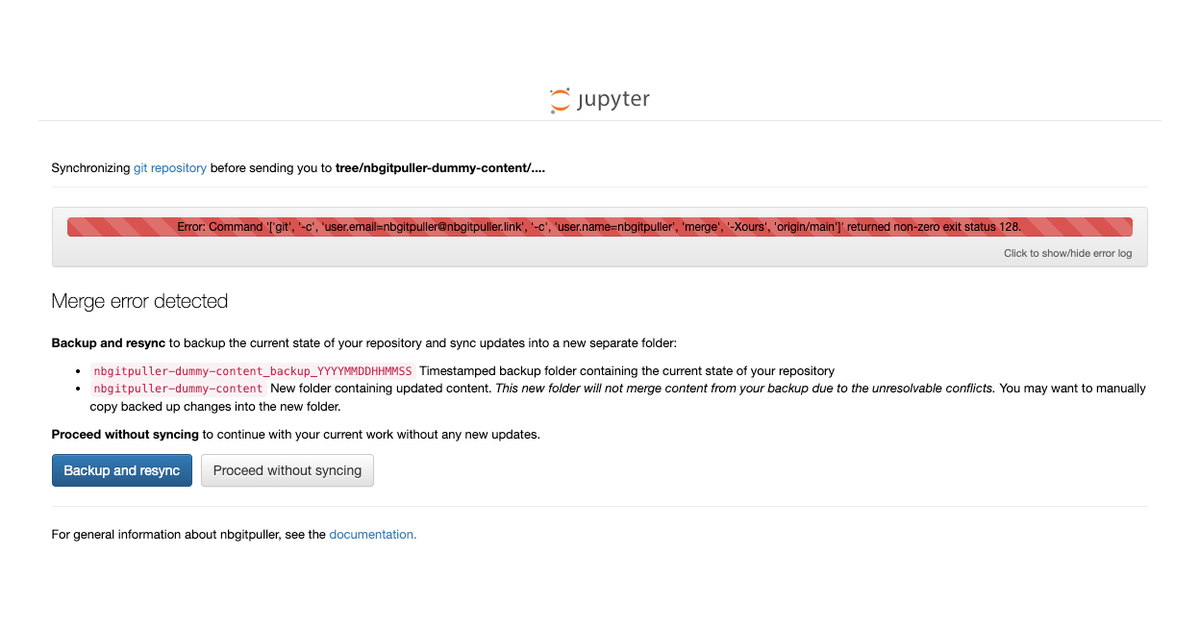
nbgitpuller now has improved UX context-aware error handling. Update to version 1.3.0 and let us know what you think by opening an issue 🚀
The JupyterHub and Jupyter Book communities are hiring a community manager.
When I helped start 2i2c.org, one of my goals for the non-profit was to experiment with new and different ways of supporting the Jupyter...
The Binder Project allows users to build reproducible, sharable environments for interactive computing. To accomplish this, Binder uses a tool...
The JupyterHub team have just moved all their chat to a Zulip channel!
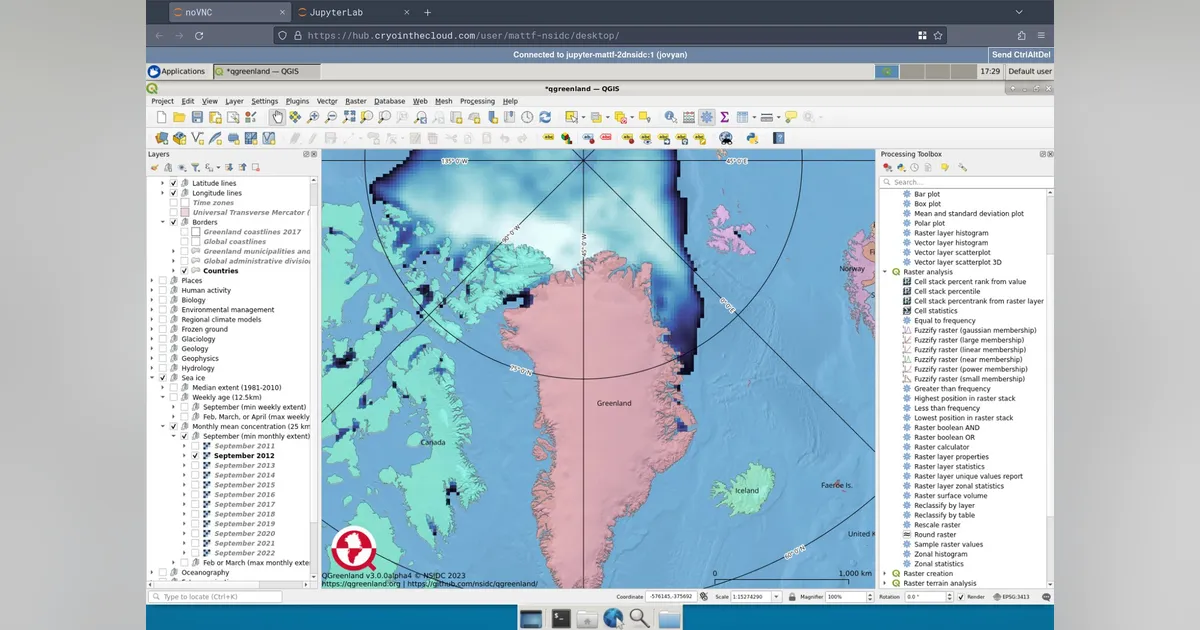
A QGreenland workshop success story
Four years ago, Project Jupyter participated for the first time in the Outreachy program. And at the end of last year, during the December round,...
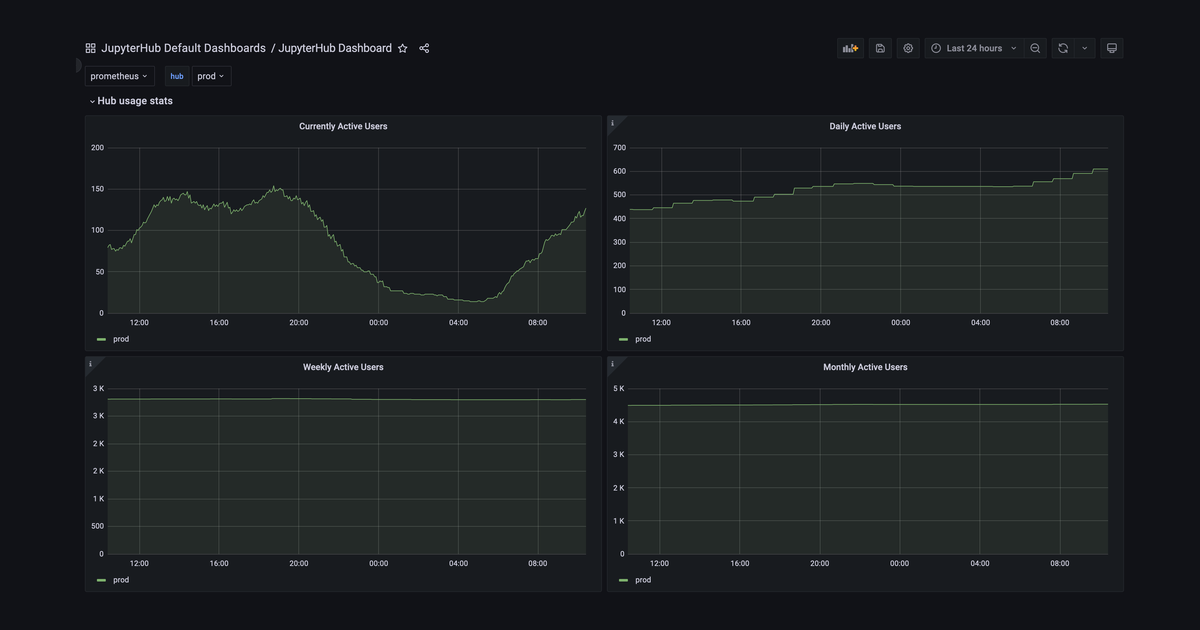
Being able to say ‘we served X unique users over the last month’ (the Monthly Active User metric) is very helpful when advocating for resources...
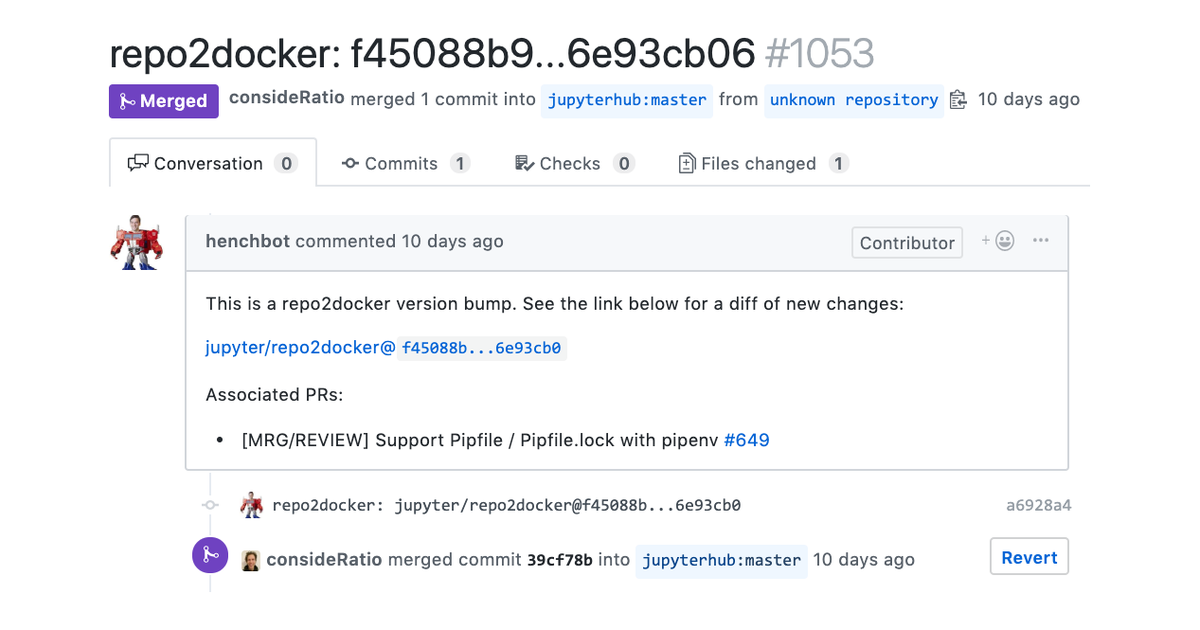
This week, we are deploying some updates to repo2docker, the image-building tool that underpins mybinder.org. This may affect your repos. Please...
The JupyterHub team are refactoring our monthly meeting into a collaborative, co-working space that is more accessible and inclusive to those who...
As part of the community strategic support project funded by CZI’s EOSS grant series, the JupyterHub sub-project has funding to support Outreachy...
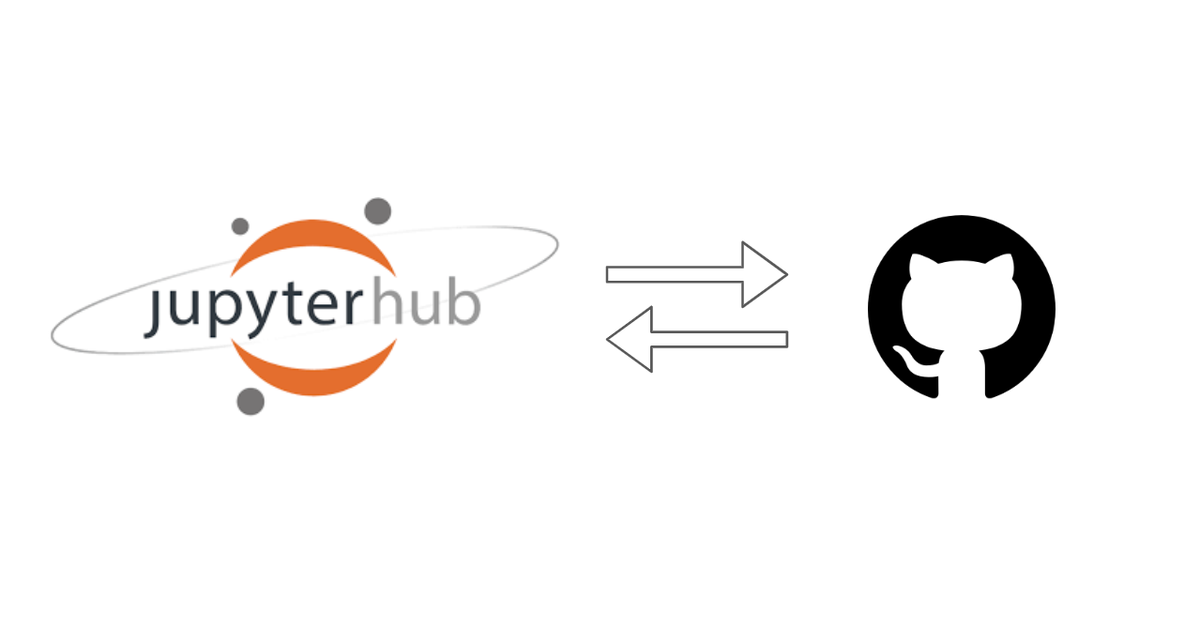
Many JupyterHub users want to push and pull their content from GitHub in order to collaborate and share their work.
Hubs and roles and scopes, oh my!
The Littlest JupyterHub is an extremely capable hub distribution that I’d recommend for situations where you expect, on average, under 100 active users.
Jupyter has been a great choice for education for many years. The Jupyter Notebook has become one of the most popular tools to conduct workshops,...
This is the first of a series of posts describing tools in the JupyterHub ecosystem, written by our wonderful Contributor in Residence, Georgiana....
Visual Studio Code has pretty good support for running Jupyter Notebooks. But what if your organization has a JupyterHub running remotely, with...
Thanks to funding from the CZI Essential Open Source Software for Science initiative we are welcoming Georgiana Elena as our first Contributor in...
BinderHub and repo2docker are key components of the service at mybinder.org. In order to give Binder users the best experience, the Binder SRE...
Jupyter is the “Google Docs” of data science. It provides that same kind of easy-to-use ecosystem, but for interactive data exploration, modeling,...
Today, we are pleased to announce the 1.0 release of JupyterHub. We’ve come a long way since our first release in March, 2015. There are loads of...