JupyterGIS 0.16: New visualization capabilities, collaborative Story Maps, and more
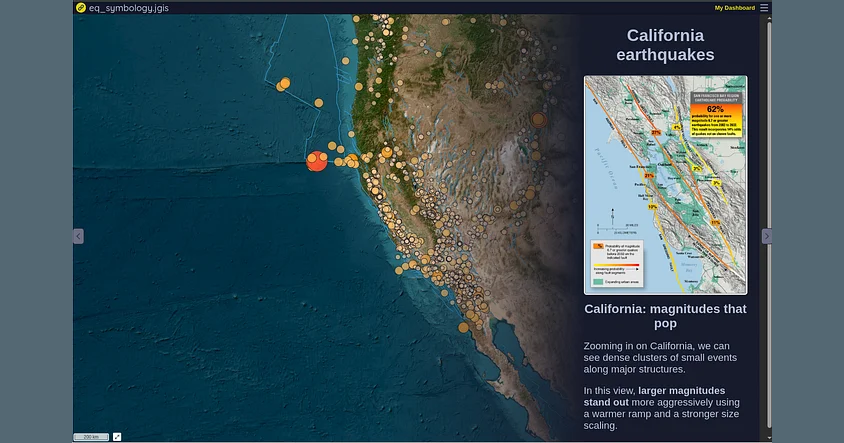
This release adds support for new geospatial formats, tighter integration with the scientific Python ecosystem, a redesigned Story Map editor, and...


This release adds support for new geospatial formats, tighter integration with the scientific Python ecosystem, a redesigned Story Map editor, and...
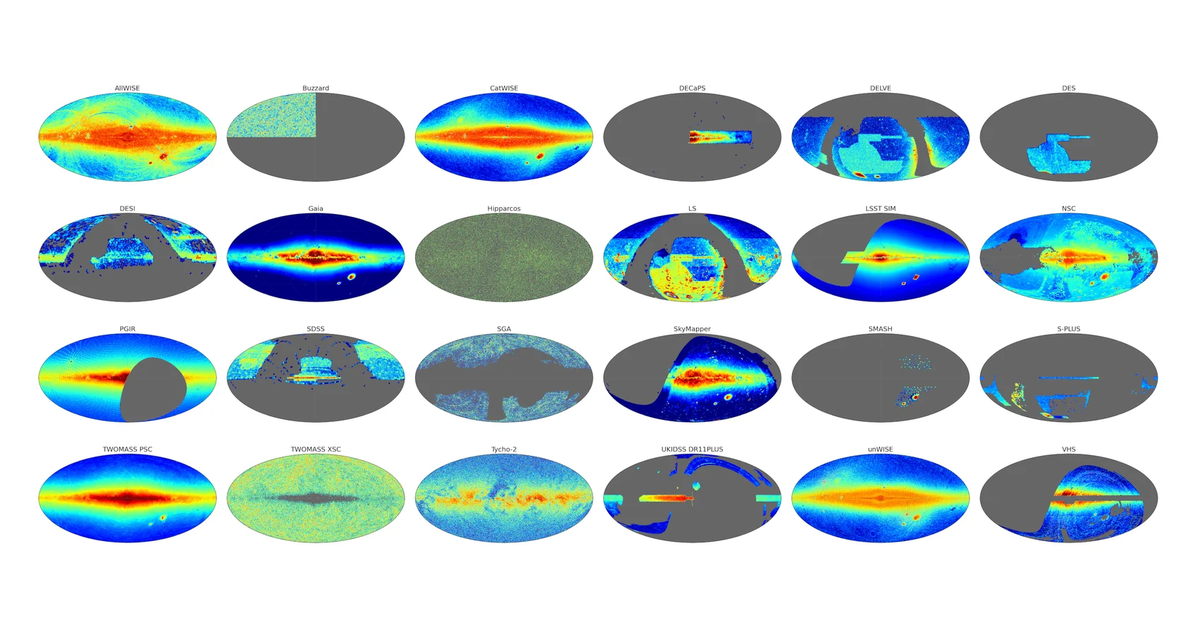
Imagine querying 420+ billion rows of astronomical catalog data — spanning 30 major sky surveys, observed over decades with telescopes on three...
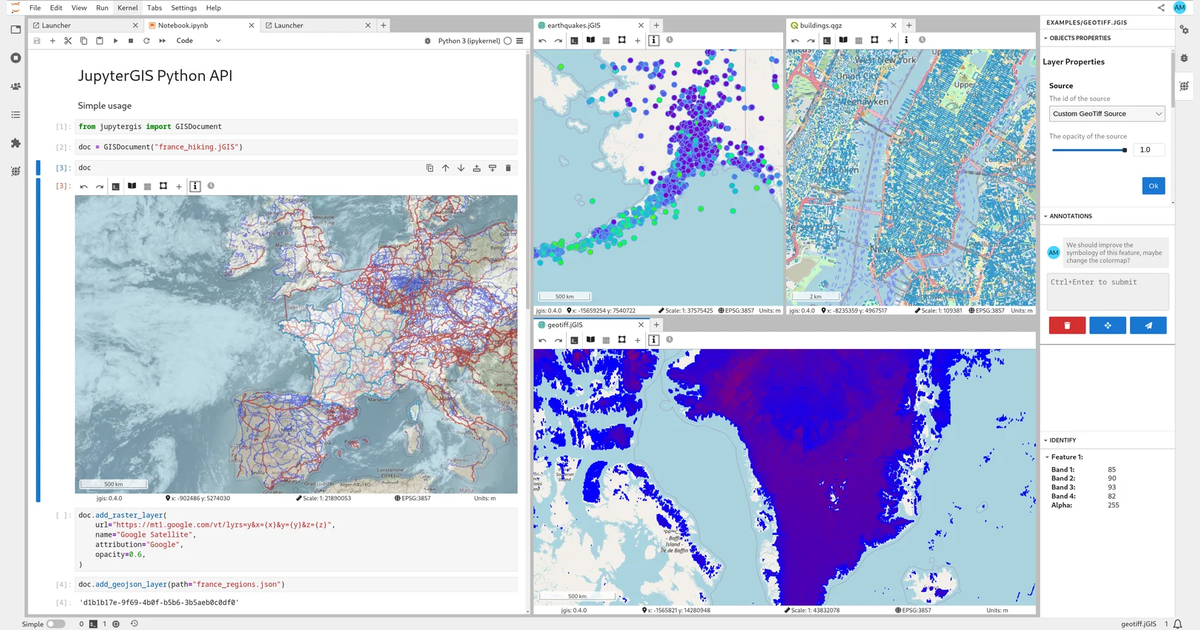
Since its initial announcement less than two years ago, JupyterGIS has been a growing effort to bring interactive geospatial workflows into the...
The QGIS open-source project is a cornerstone in the geosciences ecosystem, providing robust tools for spatial data analysis and visualisation.
Bringing the Power of OpenLayers to Jupyter.
Pioneering Web-based, Collaborative, and Open-source GIS Tools
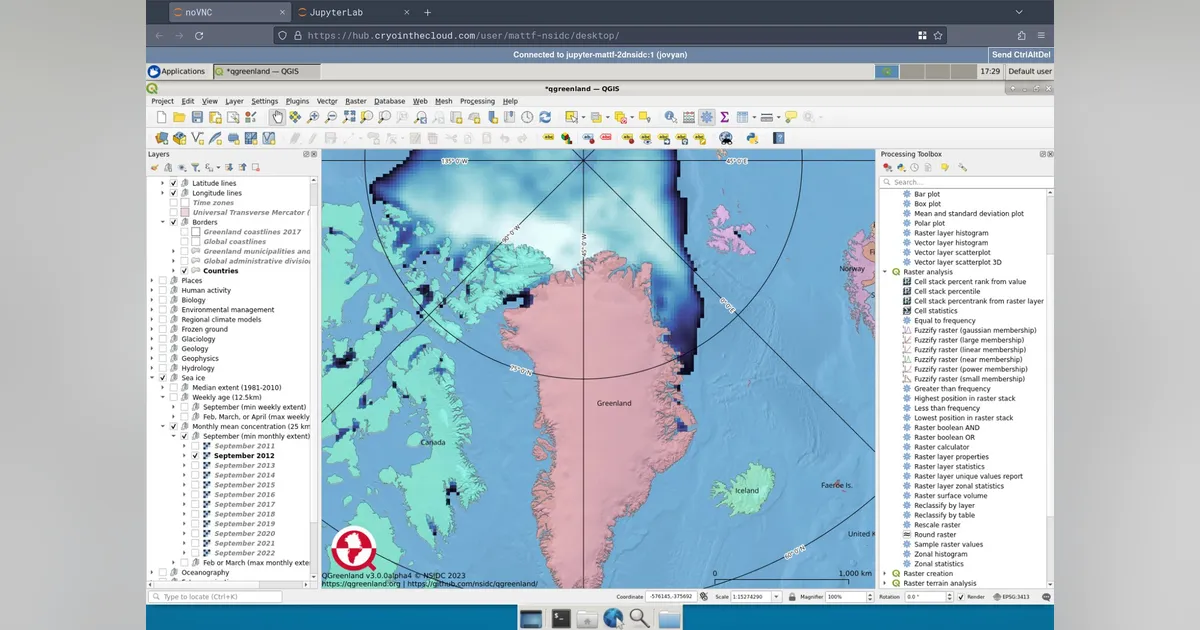
A QGreenland workshop success story
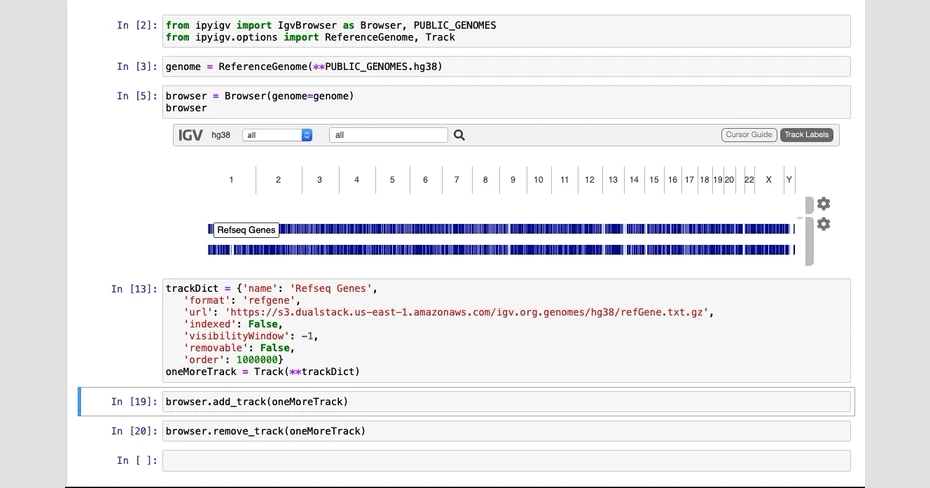
If there is one thing that recent events tell us, it is that genomics is a large source of data, and that its manipulation and understanding allow...
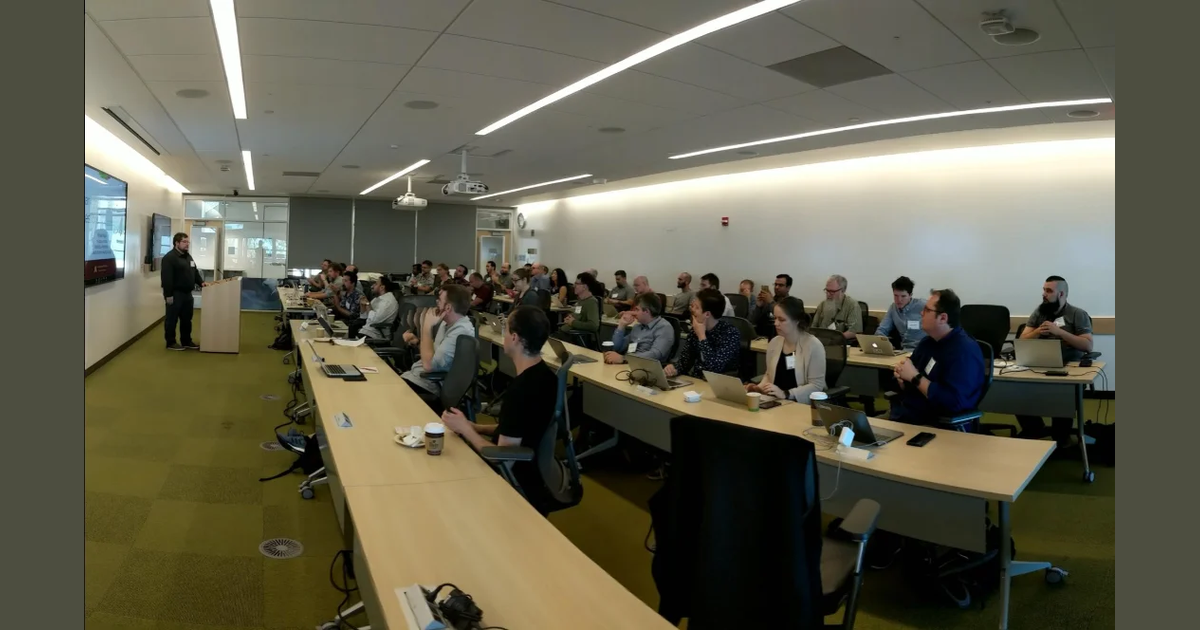
Summary of the EarthCube community meeting on July 27, 2020
Use Jupyter and 3D Slicer kernel to implement biomedical data processing workflows in a notebook.
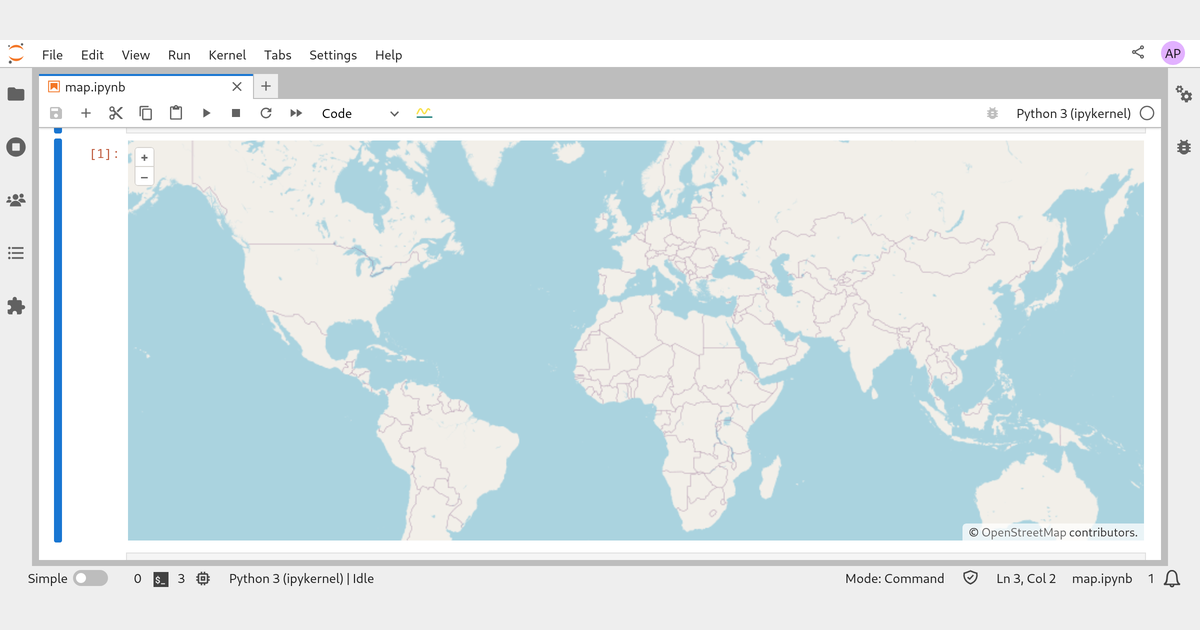
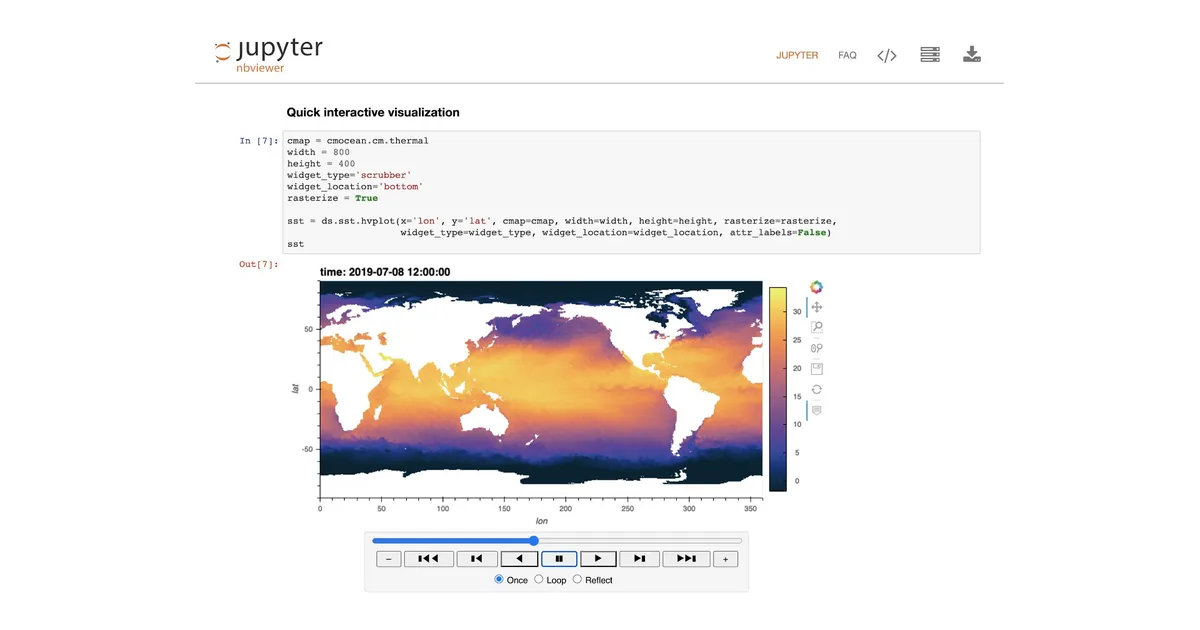
As Jupyter grew in popularity, a broad ecosystem of visualization packages based on Jupyter widgets has been developed, bringing even more...
We are thrilled to announce that the NSF is funding our EarthCube proposal “Jupyter meets the Earth: Enabling discovery in geoscience through...
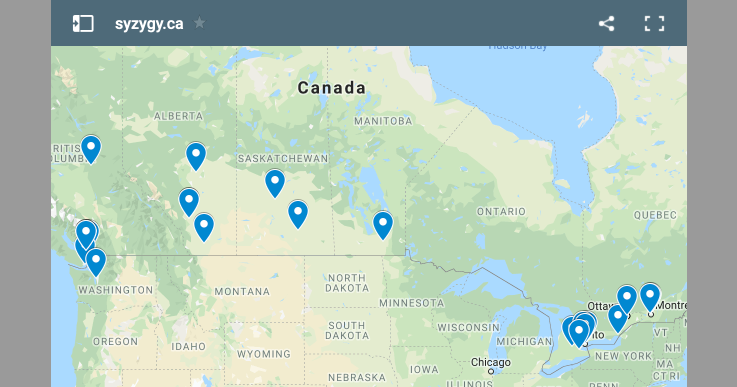
Delivering interactive computing to universities at a national scale with a Jupyter stack.
Jupyter is the “Google Docs” of data science. It provides that same kind of easy-to-use ecosystem, but for interactive data exploration, modeling,...
On Thursday, March 14th at their annual conference in Washington DC, Kellie Ottoboni received the Innovation Award from the Election Verification...
The following is a guest blog post authored by Kellie Ottoboni, describing her recent work where they used Jupyter to support statistical audits...
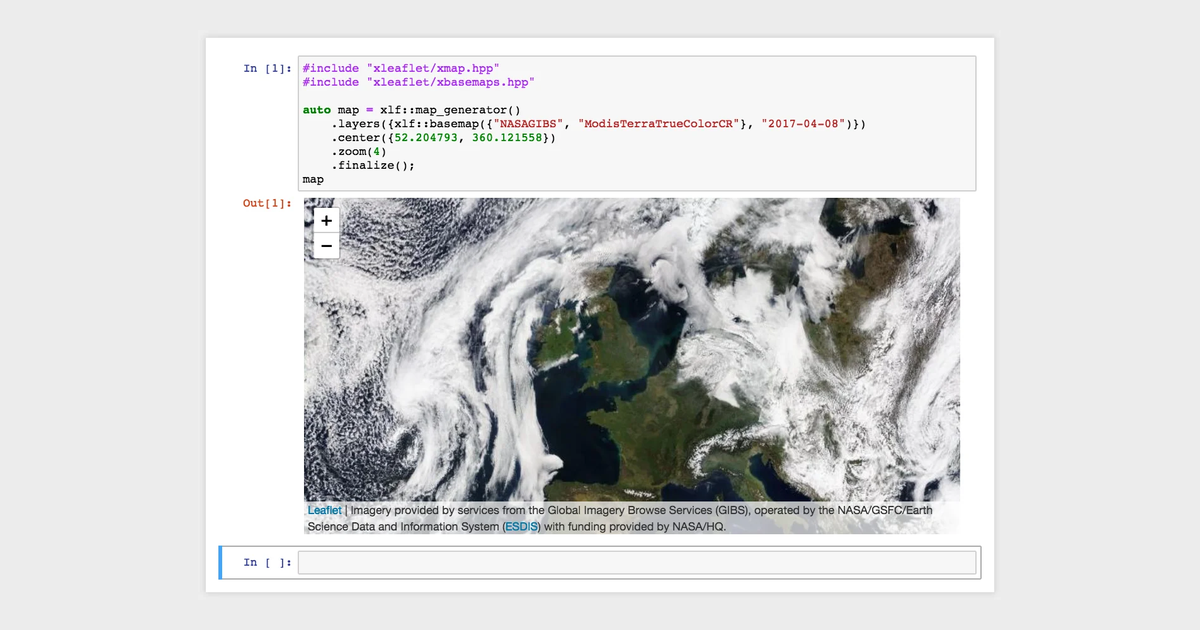
The recent release of the Jupyter kernel for C++, based on the Cling interpreter enabled a number of new workflows for the users of the C++...
Scientists, educators and engineers not only use programming languages to build software systems, but also in interactive workflows, using the...
On behalf of the entire Project Jupyter team, we’d like to say congratulations to Rainer Weiss, Barry C. Barish, Kip S. Thorne and the rest of the...