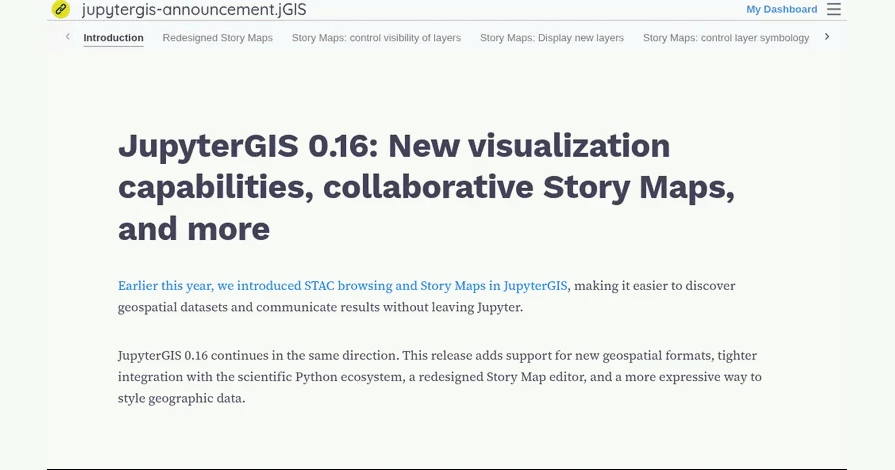
JupyterGIS 0.16: New visualization capabilities, collaborative Story Maps, and more
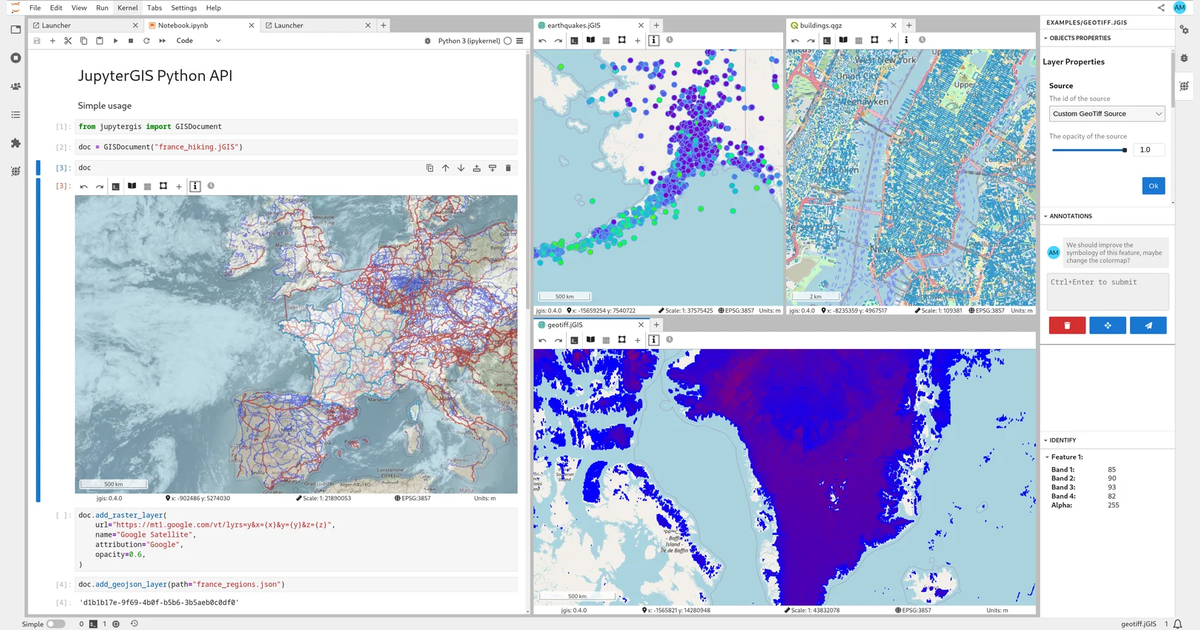
This release adds support for new geospatial formats, tighter integration with the scientific Python ecosystem, a redesigned Story Map editor, and...


This release adds support for new geospatial formats, tighter integration with the scientific Python ecosystem, a redesigned Story Map editor, and...
The QGIS open-source project is a cornerstone in the geosciences ecosystem, providing robust tools for spatial data analysis and visualisation.
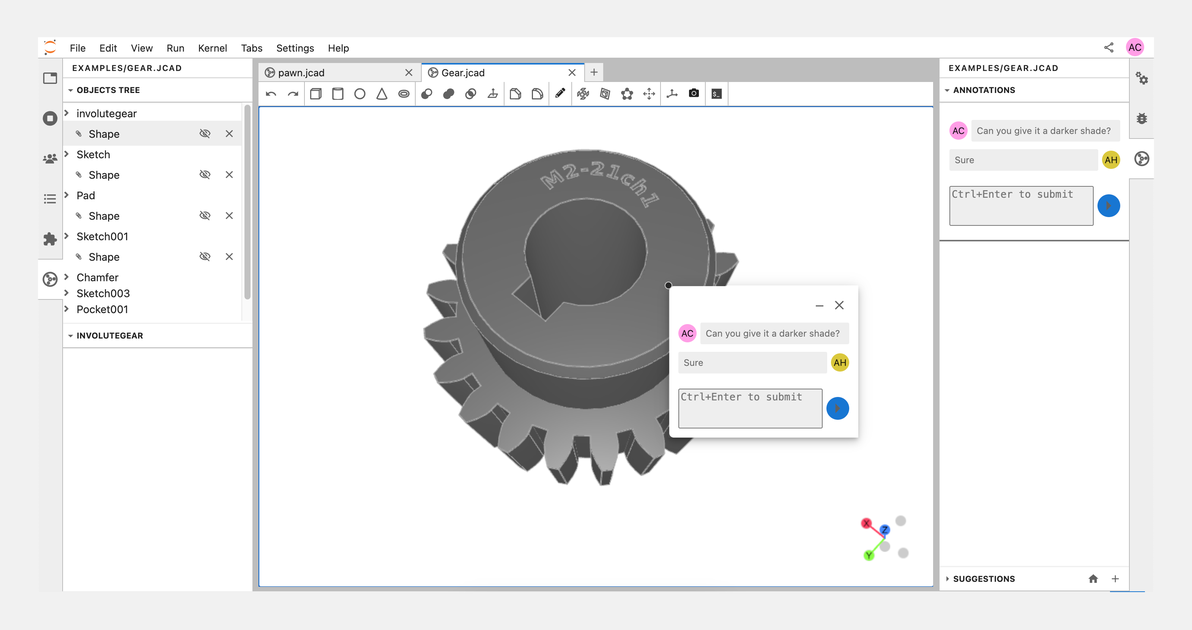
The latest iteration of the web-based collaborative CAD editor
Scaling Jupyter dashboards up to the millions.
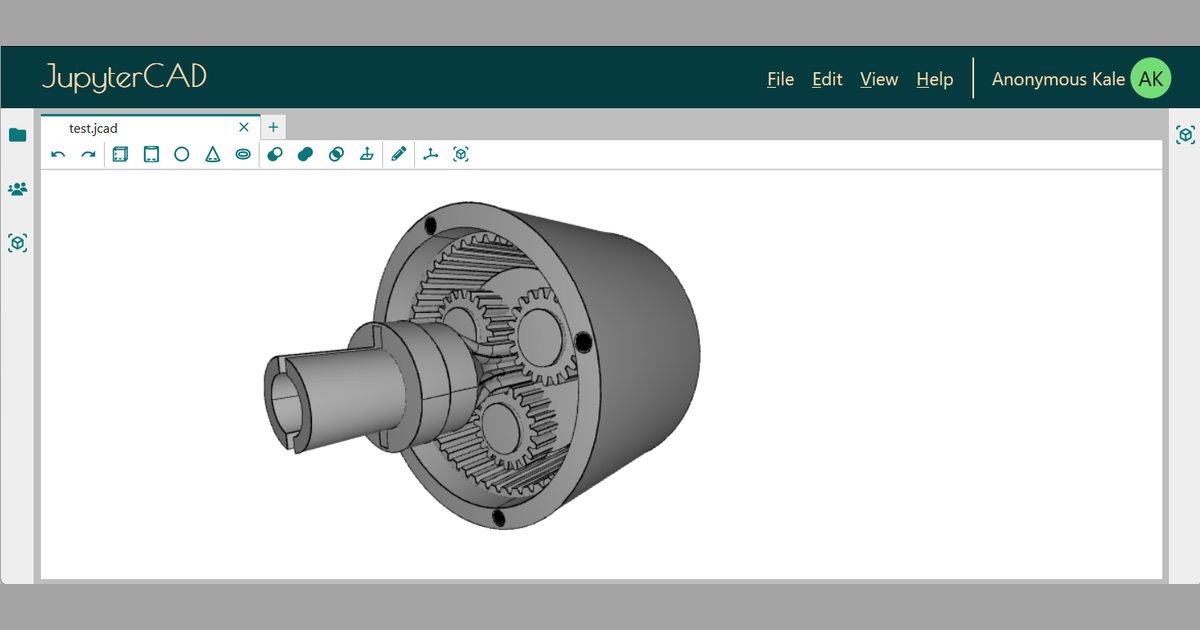
We are thrilled to introduce JupyterCAD, a tool that integrates Computer-Aided Design (CAD) capabilities into JupyterLab.
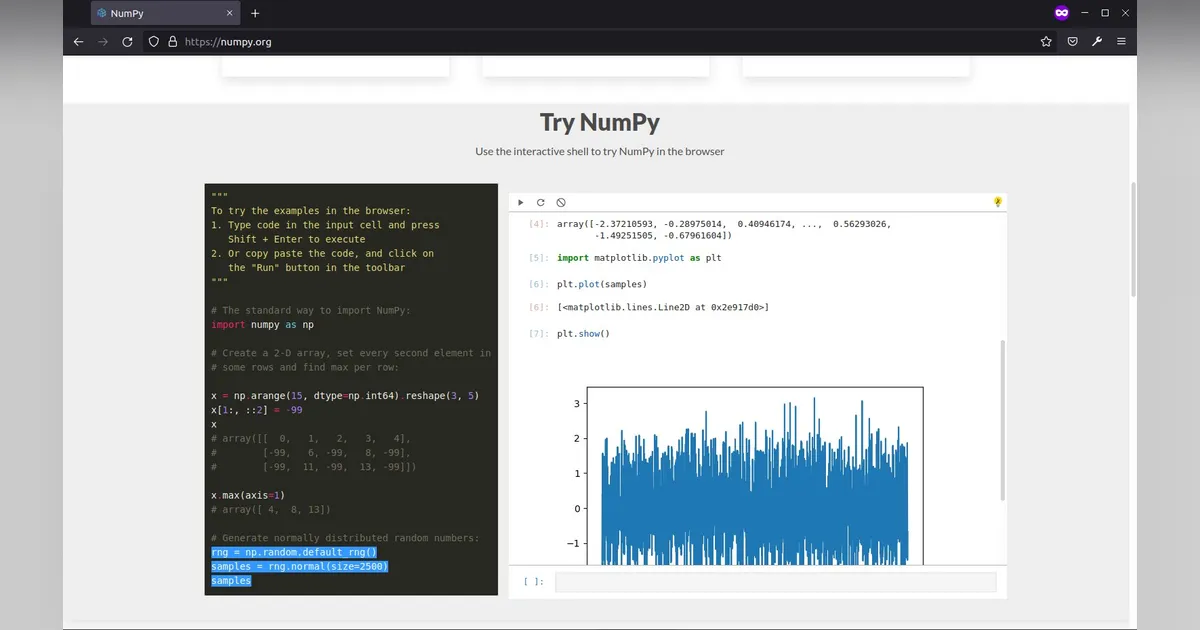
Introducing a mamba-based distribution for WebAssembly, and deploying scalable computing environments with JupyterLite.
JupyterLab provides multiple ways to improve your coding workflow: code highlighting, code completion, theming, debugger with rich variable...
Easily embed a console, a notebook, or a fully-fledged IDE on any web page.
Last year, we set ourselves to implement a visual debugger for JupyterLab. This endeavor required major developments in the JupyterLab front-end,...
Introducing a new Jupyter kernel for Robot Framework
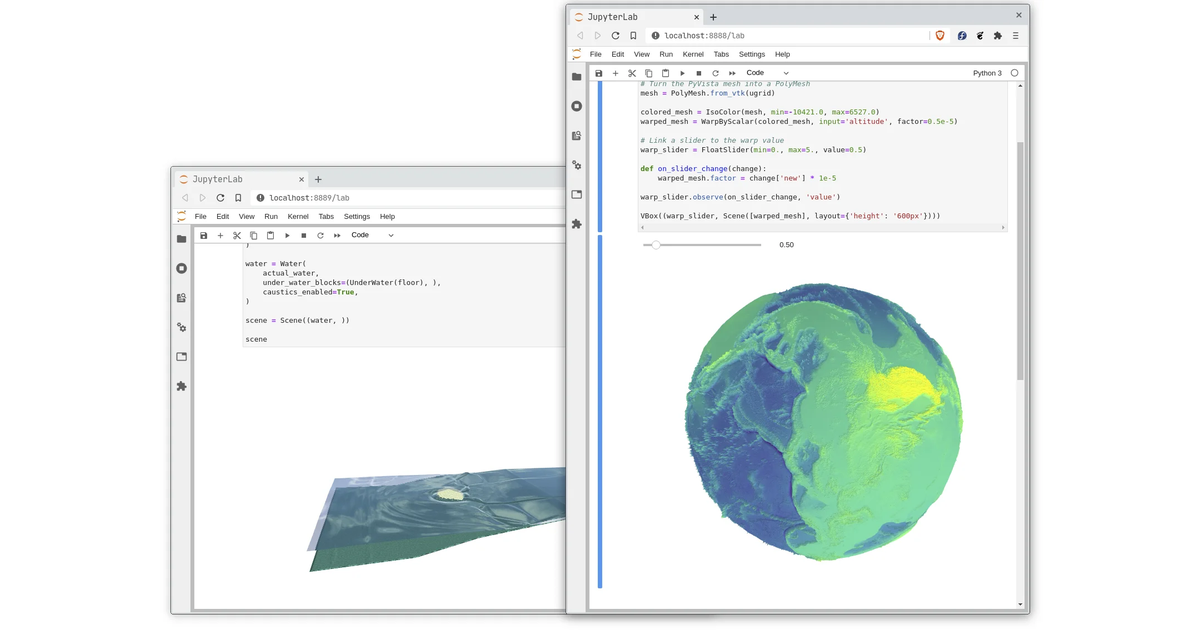
Scientific visualization in the Jupyter notebook
Use Jupyter and 3D Slicer kernel to implement biomedical data processing workflows in a notebook.
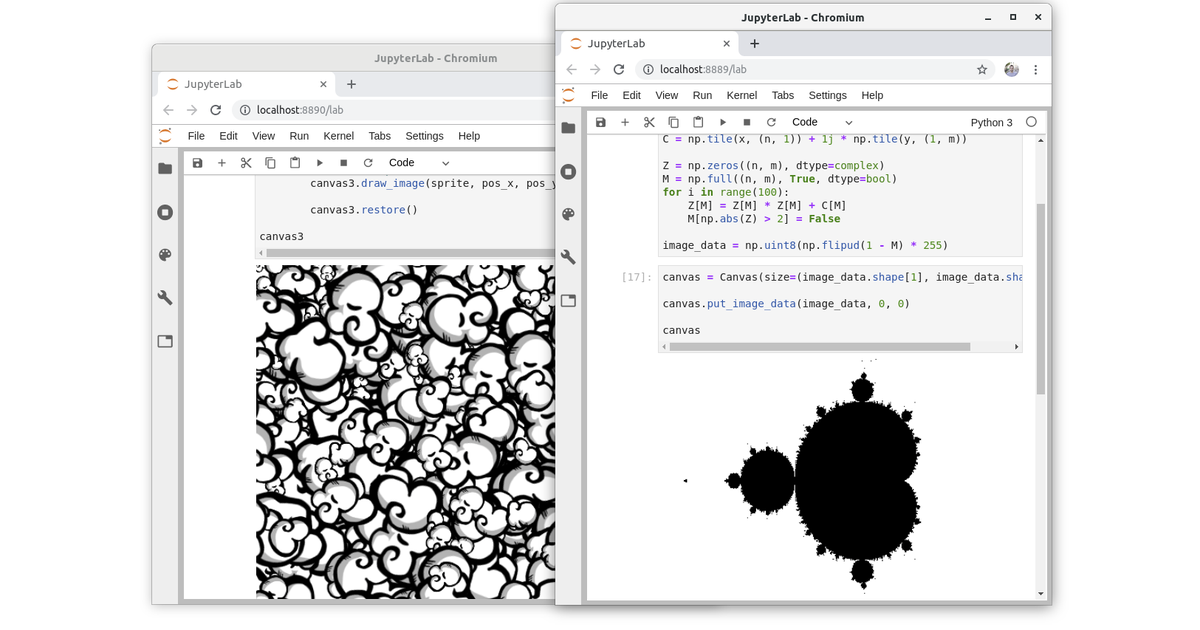
As you may already know, the Jupyter Notebook and JupyterLab are Browser-based applications. Browsers are incredibly powerful, they allow you to...
As Jupyter grew in popularity, a broad ecosystem of visualization packages based on Jupyter widgets has been developed, bringing even more...
Project Jupyter aims at providing a consistent set of tools for interactive computing workflows across multiple programming languages. Jupyter...
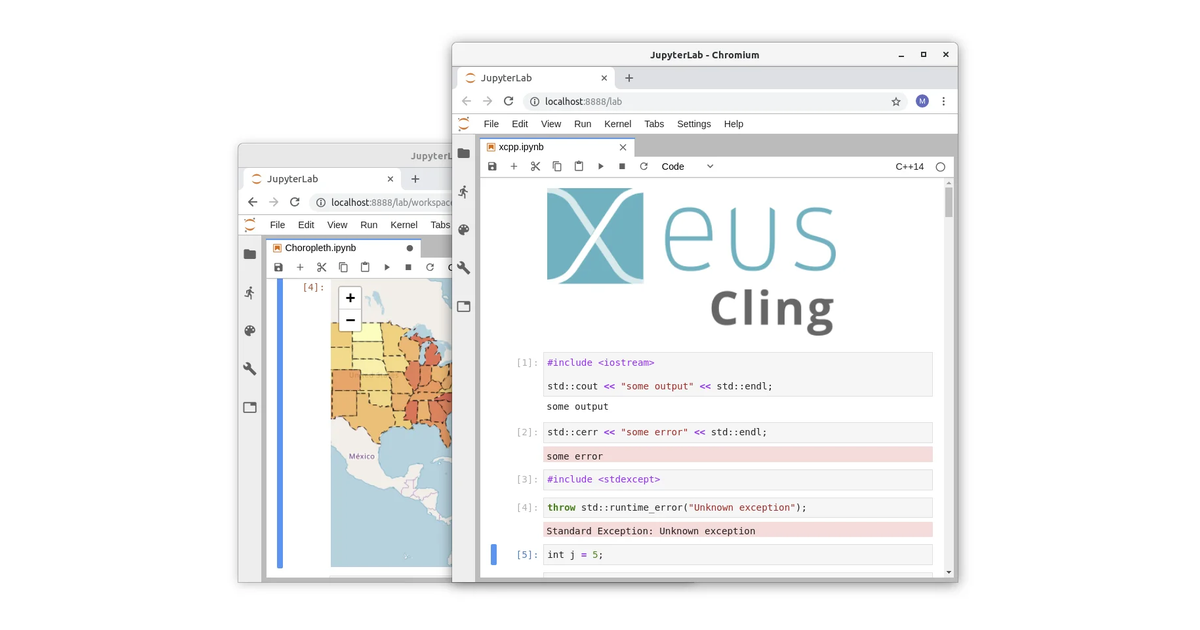
The recent release of the Jupyter kernel for C++, based on the Cling interpreter enabled a number of new workflows for the users of the C++...