Jupyter Community Workshop: Building upon the Jupyter Kernel Protocol
We have some exciting news about the Jupyter Community Workshop on kernels!


We have some exciting news about the Jupyter Community Workshop on kernels!
On Thursday, March 14th at their annual conference in Washington DC, Kellie Ottoboni received the Innovation Award from the Election Verification Network (EVN) for her work with Professor Philip Stark developing the Stratified Union-Intersection Tests of Elections (SUITE) tool for use in the pilot…
Update: notebook 5.7.7 and JupyterHub 0.9.5 contained incomplete fixes for this issue. 5.7.8 and 0.9.6 are released with more complete fixes.
We have just released Jupyter notebook 5.7.6 with a security fix for a cross-site inclusion (XSSI) vulnerability, where content from a Jupyter server could be included in another page if the visitor is logged in to the Jupyter server and the author of the page knows the URL of the server and the…
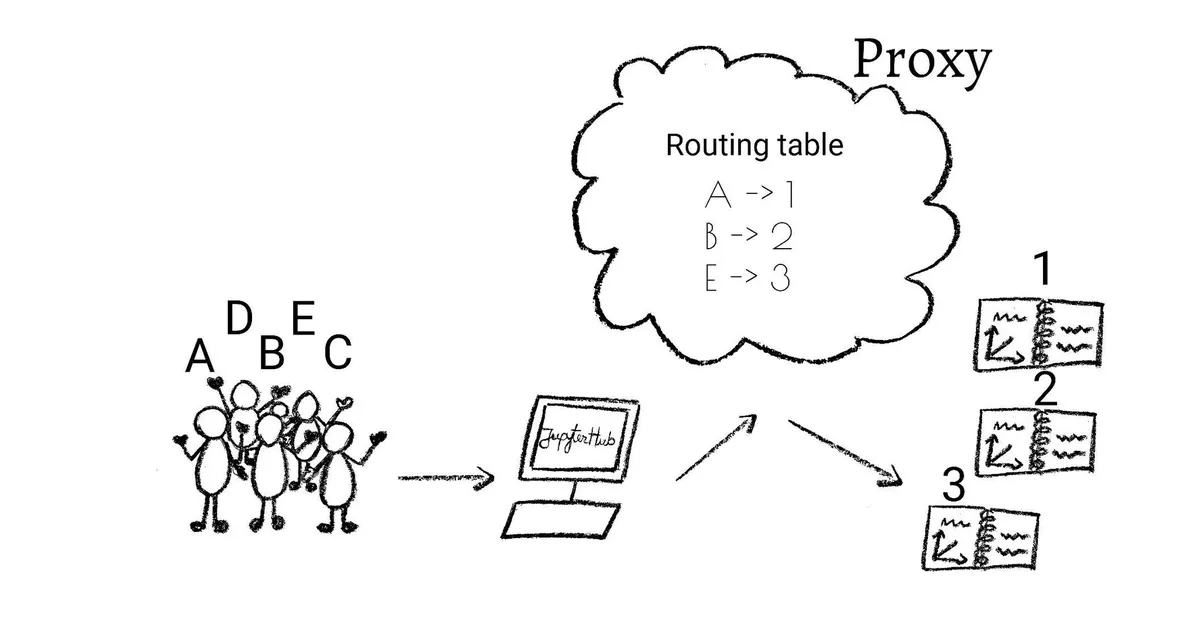
Removing the single point of failure from your JupyterHub infrastructure with traefik, etcd and Outreachy
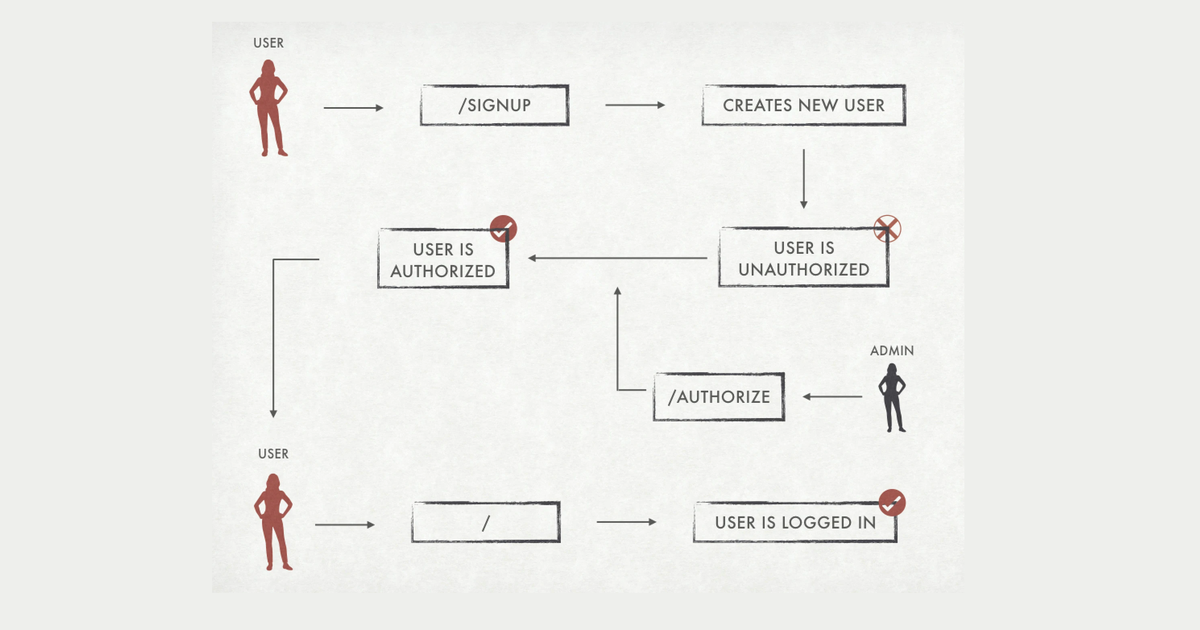
NativeAuthenticator adds traditional username / password based sign up, login, & user management features to JupyterHub.
We’ve just released version 0.8 of the jupyterhub helm chart.
We have some exciting news about the Jupyter Community Workshop on dashboarding!
Safia Abdalla, Paige Bailey and Doug Blank lead the community Jupyter Conference Advisory Committee, which will explore the future of the annual Jupyter conference.
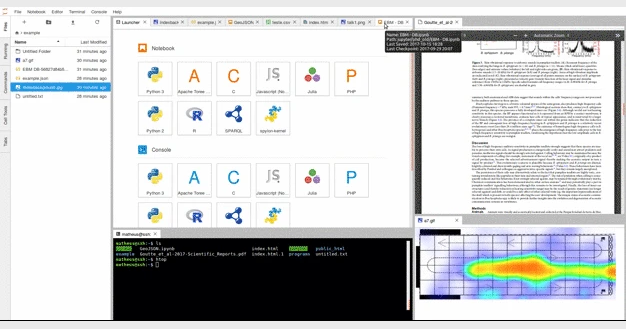
We are excited to share more news about the Jupyter Community Workshop for Scientific User Facilities and High-Performance Computing!
The following is a guest blog post authored by Kellie Ottoboni, describing her recent work where they used Jupyter to support statistical audits of election results.
We are thrilled to announce the Jupyter Community workshops for the first half of 2019. We had 16 proposals submitted, each of which represents a tremendous amount of effort and opportunity for community growth. Thank you for your proposals!
Project Jupyter aims at providing a consistent set of tools for interactive computing workflows across multiple programming languages. Jupyter projects are popular at all stages of a research project from the exploration phase to the communication of results and teaching.
From the early days — even before the Jupyter name — many of us foresaw that the IPython Notebook and the ecosystem of tools growing around it would be a “killer app” for education.
The Binder Project’s repo2docker tool gives data scientists the benefits of containerization technology without needing to learn Docker itself. To make your repository compatible with repo2docker, you only need to add text files that are already present in many repositories.
Project Jupyter’s goals for our annual conference include serving our global community, connecting Jupyter users from different disciplines, showcasing their knowledge, and celebrating the many ways that Jupyter is making an impact in the world.
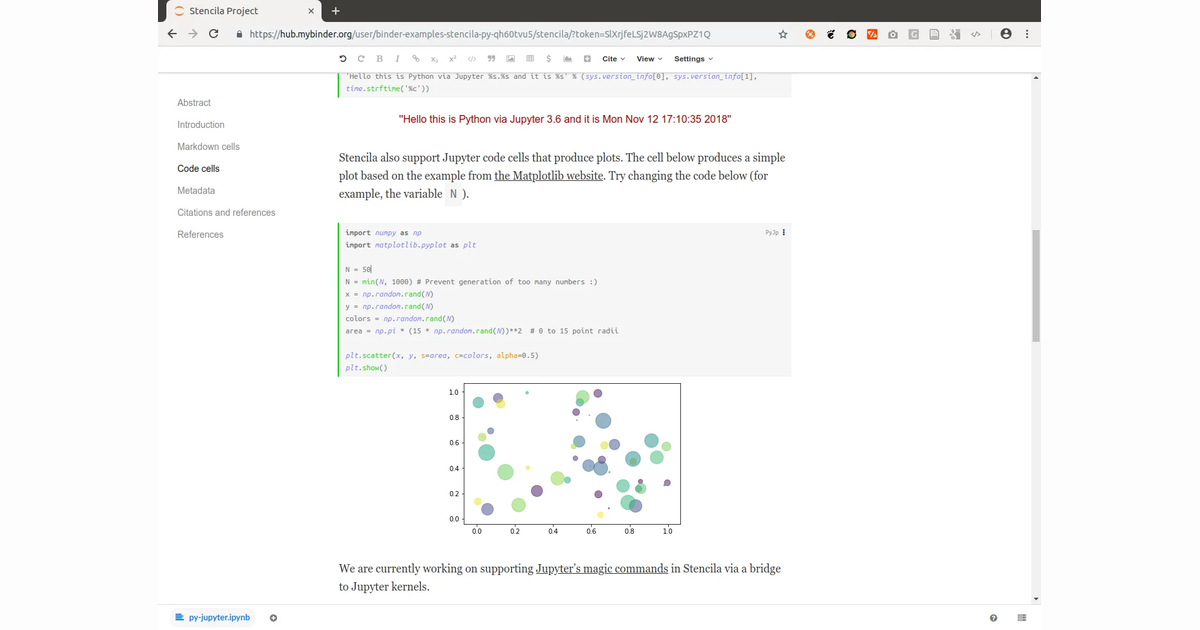
This article reports on a project, integrating Stencila and Binder, which started at the eLife Innovation Sprint 2018 (#eLifeSprint). A longer version has been cross-posted on multiple blogs (eLife Labs, Stencila, o2r).
PyHawaii hosted a three-part Jupyter Hackathon as part of a workshop grant, generously offered by Bloomberg.
Project Jupyter has accepted 2 interns through the Outreachy program, which supports open community members from under-represented backgrounds. Our Outreachy interns will work on important problems in the JupyterHub community with help from 2 mentors from December 2018 through March 2019.
Two security issues have been found and fixed this week, where untrusted javascript could be executed if malicious files could be delivered to the users system and the user takes specific actions with those malicious files.
The large majority of Jupyter’s work is accomplished through remote, online collaboration; yet, over the years, we have found deep value in focused in-person work over a few days.
Since the beginning of 2018, the Binder community has been hosting a BinderHub at mybinder.org as a free public service. Today, we are proud to announce that this hub has served over two million Binders.
This Friday, 10/26, NumFOCUS DISC is excited to host a first of its kind Open Source Inclusion Sprint — no prior experience necessary!
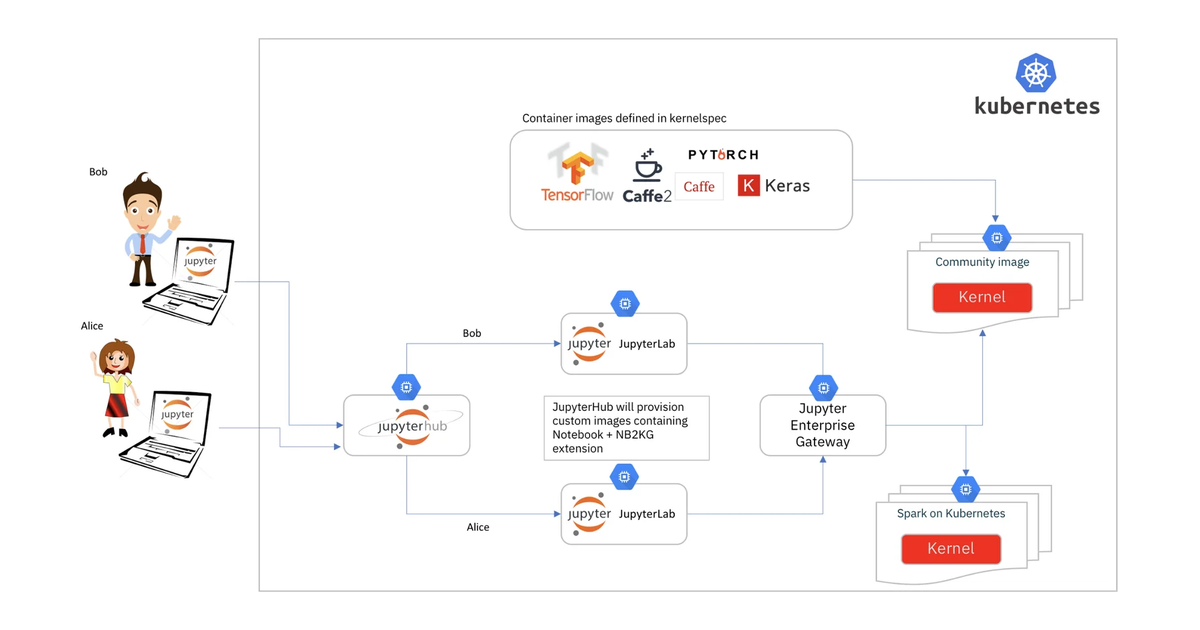
This article describes how to deploy multiple components from the Jupyter Notebook stack to provide an on-demand analytics platform powered by JupyterHub and Jupyter Enterprise Gateway on a Kubernetes cluster.