Notebooks-On-Demand (Nod): A JupyterLab Extension for a Notebook Anywhere
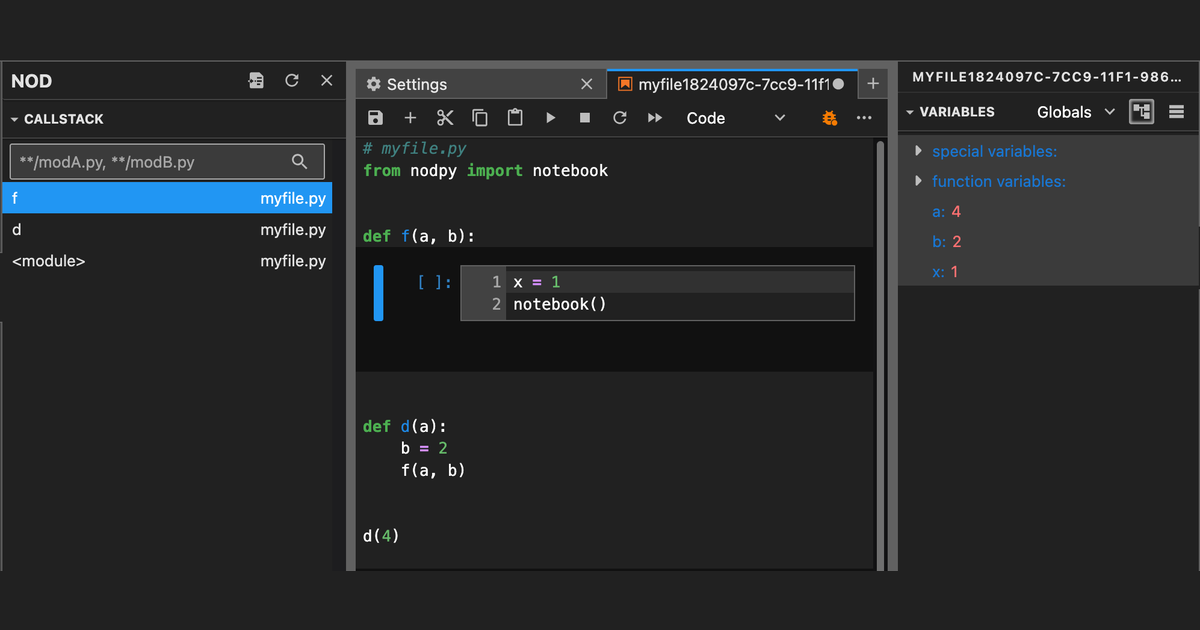
Nod: Notebooks-on-Demand is an open-source JupyterLab extension that lets you jump into a Jupyter notebook from anywhere in a Python codebase.


News, release announcements, and community stories from Project Jupyter
Nod: Notebooks-on-Demand is an open-source JupyterLab extension that lets you jump into a Jupyter notebook from anywhere in a Python codebase.
JupyterHub is a collection of tools that provides standardized, user-friendly computing environments for education and research. Today, we’re...
Join us on October 19 for a full day of talks, posters, and community discussion on the future of interactive computing. Submit a talk by...
A unified in-browser workflow from CAD to URDF kinematics
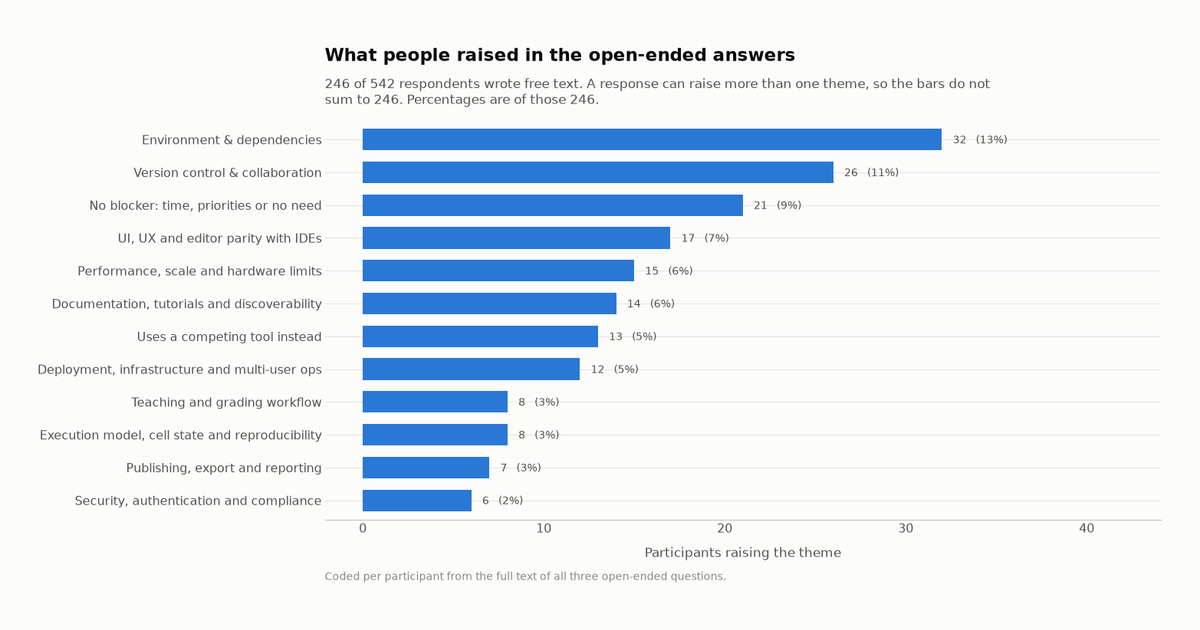
From time to time, Jupyter runs user surveys to understand how our communities use Jupyter technology (or alternatives) and how they feel about...
This release adds support for new geospatial formats, tighter integration with the scientific Python ecosystem, a redesigned Story Map editor, and...
Academic institutions can now offer Positron directly within their existing JupyterHub environments, giving students access to a modern,...
JupyterLite is a Jupyter distribution that runs entirely in the web browser without any server components. Deployment and hosting are easy as...
From June 15th to 17th 2026 a Jupyter Workshop took place at Paris-Saclay University : “Demystifying MyST Markdown in education”. The workshop...
The Jupyter Executive Council and Jupyter Foundation are pleased to announce a new Call for Proposals (CFP) for funding the Jupyter community to...
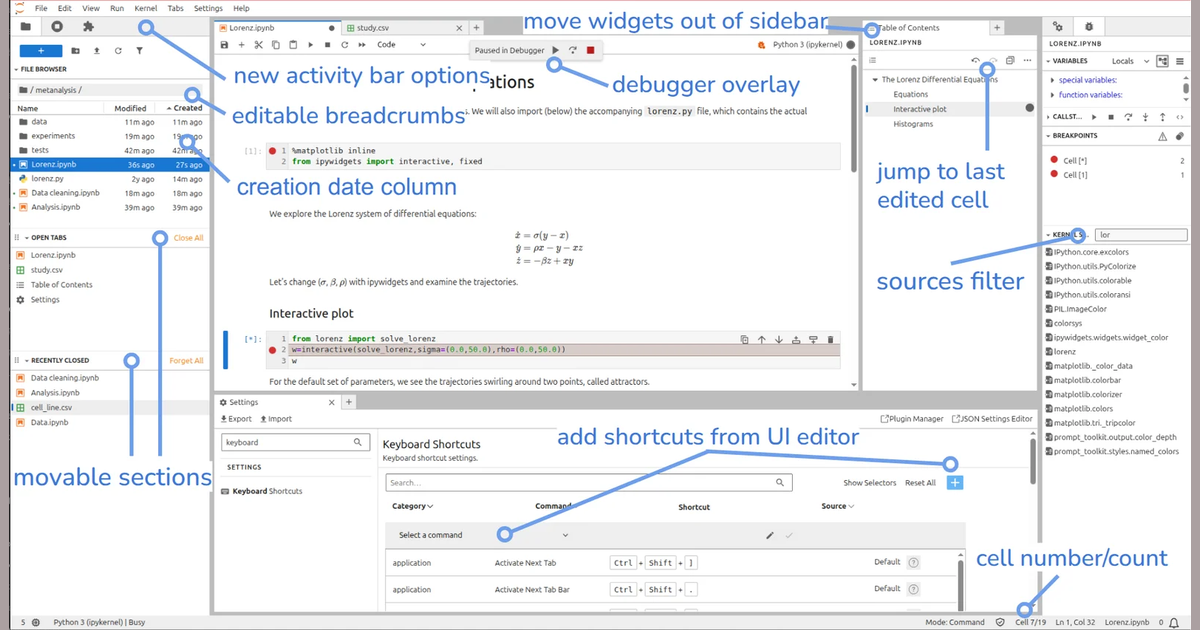
JupyterLab 4.6 features new interface customization options, improved file browser and debugger, an easy way to jump between recently edited...
We are proud to announce the recipients of the Jupyter Distinguished Contributor (JDC) award for the 2025 cohort of contributors.
We’re excited to announce the first stable release of jupyter-builder on PyPI and @jupyter/builder on npm. A standalone, configurable build system...
The Jupyter Foundation is excited to gather your feedback on the Jupyter user experience through a brief survey. If you had a magic wand, what...
There are moments in life when things, simply, converge. You work and study, study and work, and then, simply, it happens. It starts one day when...
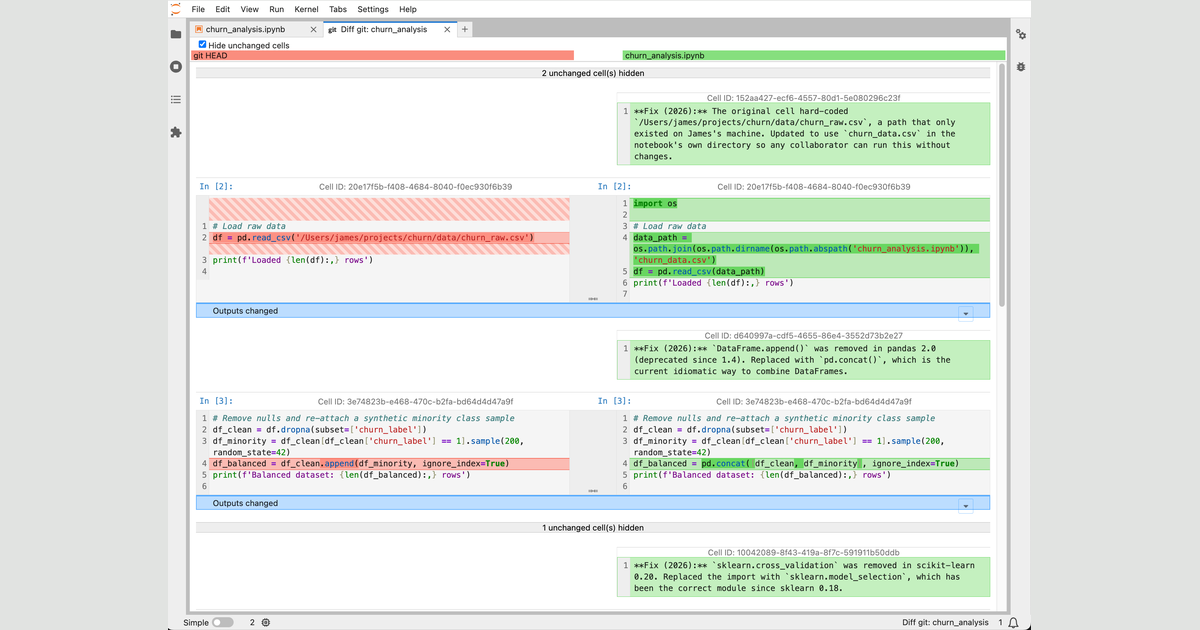
We’re excited to announce the release of the first version of the Jupyter ESLint plugin @jupyter/eslint-plugin, now available on npm. It’s a...
We are excited to announce the 1.0 release of JupyterLab Plugin Playground, allowing you to seamlessly experiment with the creation of Jupyter...
The Jupyter Foundation is excited to announce that we have contracted with Jason Grout to be a part-time Jupyter Foundation Community Manager. The...
The rise of AI coding agents has transformed how we think about developer tools. Large language models like Claude, GPT, and others are remarkably...
A new Jupyter Workshop is happening June 15–17, 2026 in Orsay, France. Demystifying MyST Markdown in Education is a three-day workshop organized...
The Jupyter Book project has content in a bunch of different repositories — user docs, a blog, a team compass, and project & community pages. We...
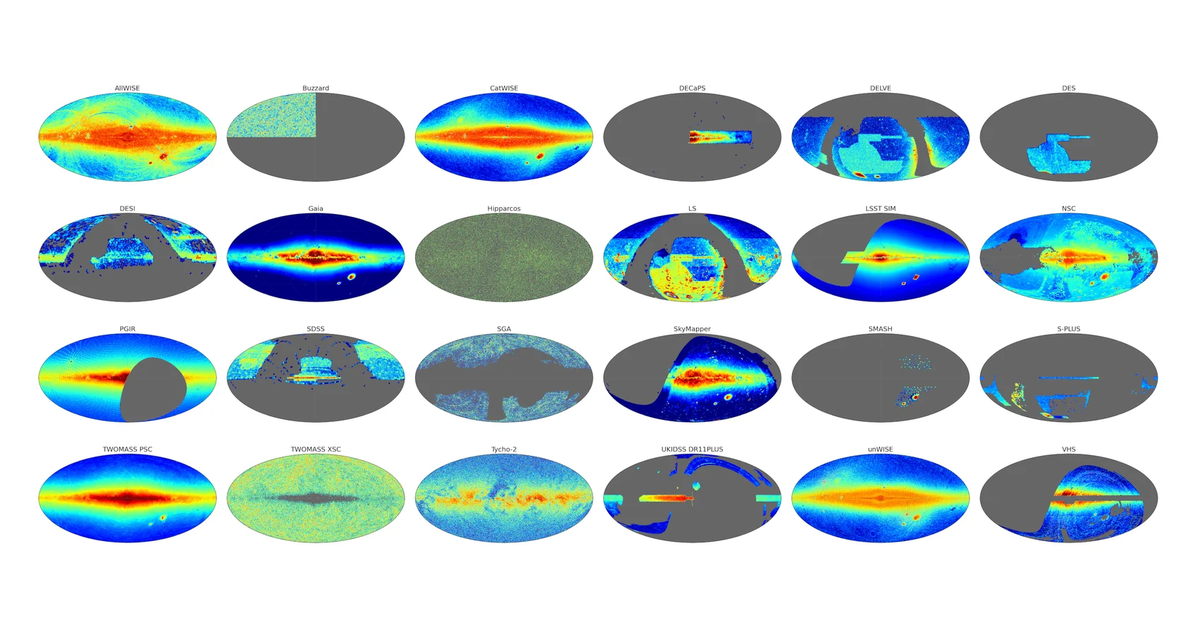
Imagine querying 420+ billion rows of astronomical catalog data — spanning 30 major sky surveys, observed over decades with telescopes on three...
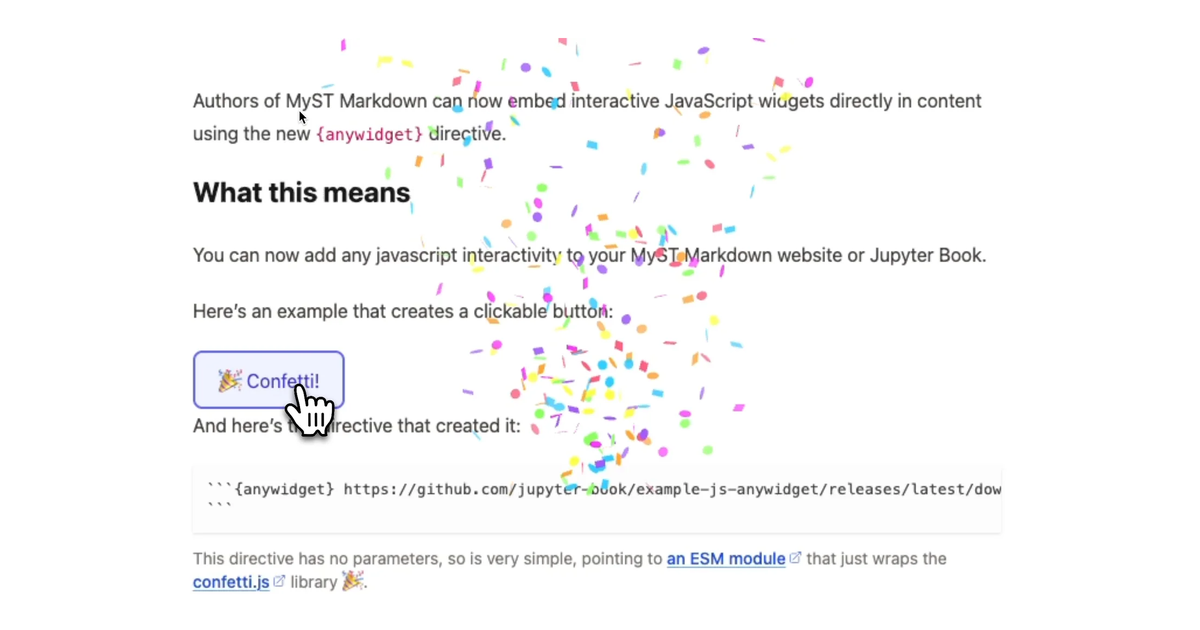
Authors of MyST Markdown can now embed interactive JavaScript widgets directly in content using the new {anywidget} directive.
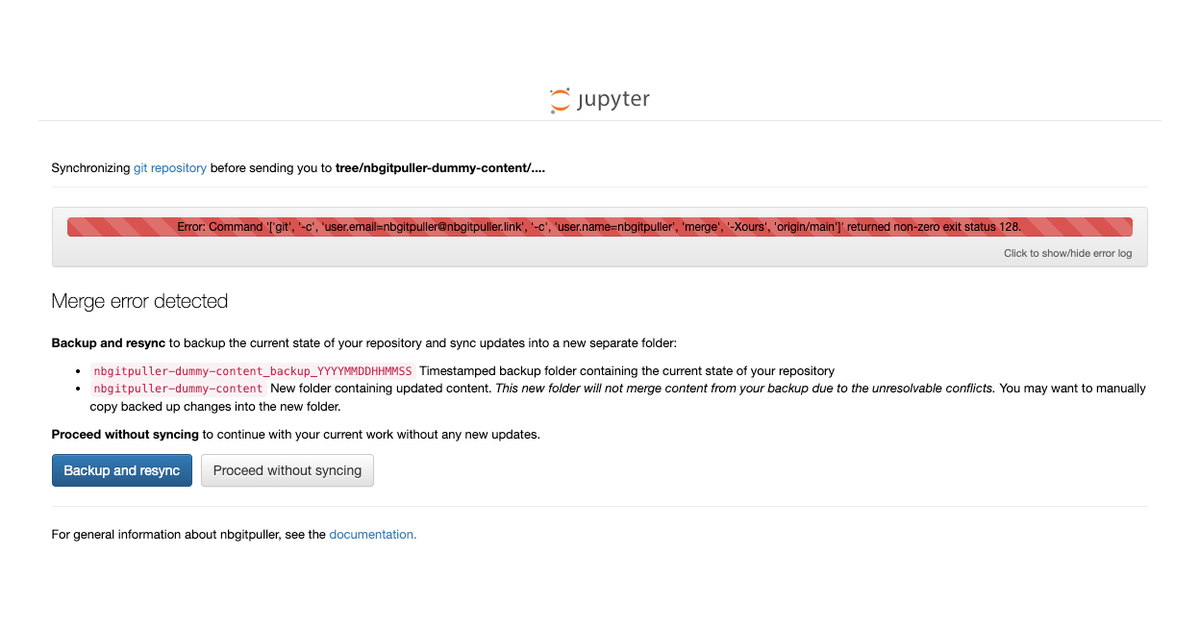
nbgitpuller now has improved UX context-aware error handling. Update to version 1.3.0 and let us know what you think by opening an issue 🚀