Congratulations, Distinguished Contributors!
We are proud to announce the recipients of the Jupyter Distinguished Contributor (JDC) award for the 2020 cohort of contributors.


We are proud to announce the recipients of the Jupyter Distinguished Contributor (JDC) award for the 2020 cohort of contributors.
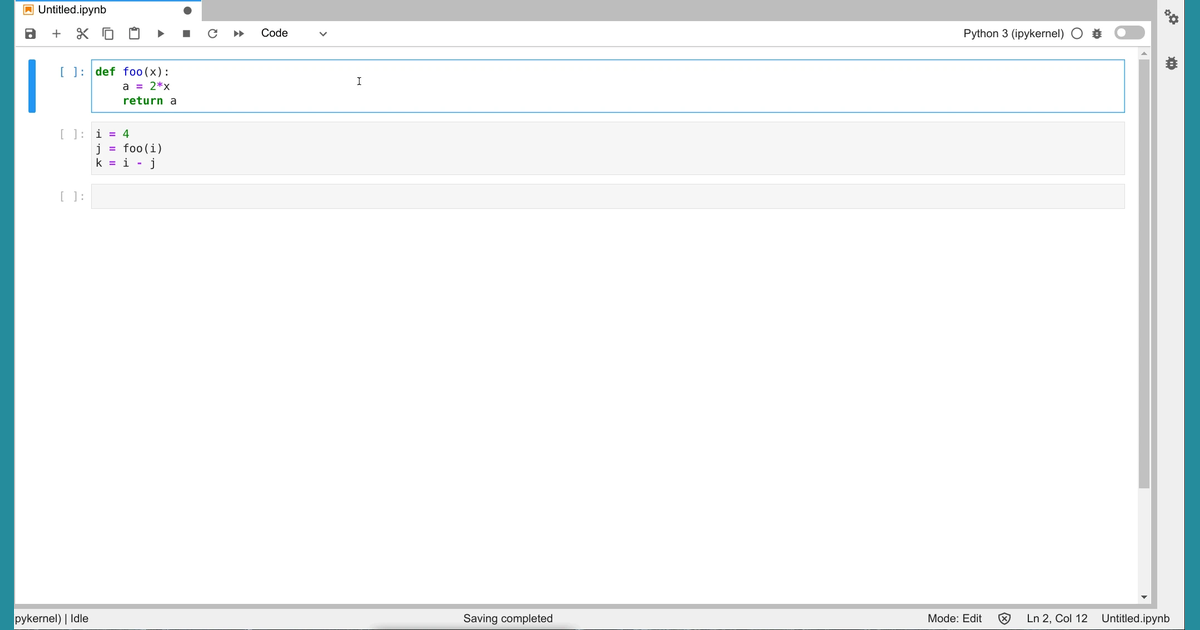
Support for the Jupyter Debugger Protocol just landed in ipykernel
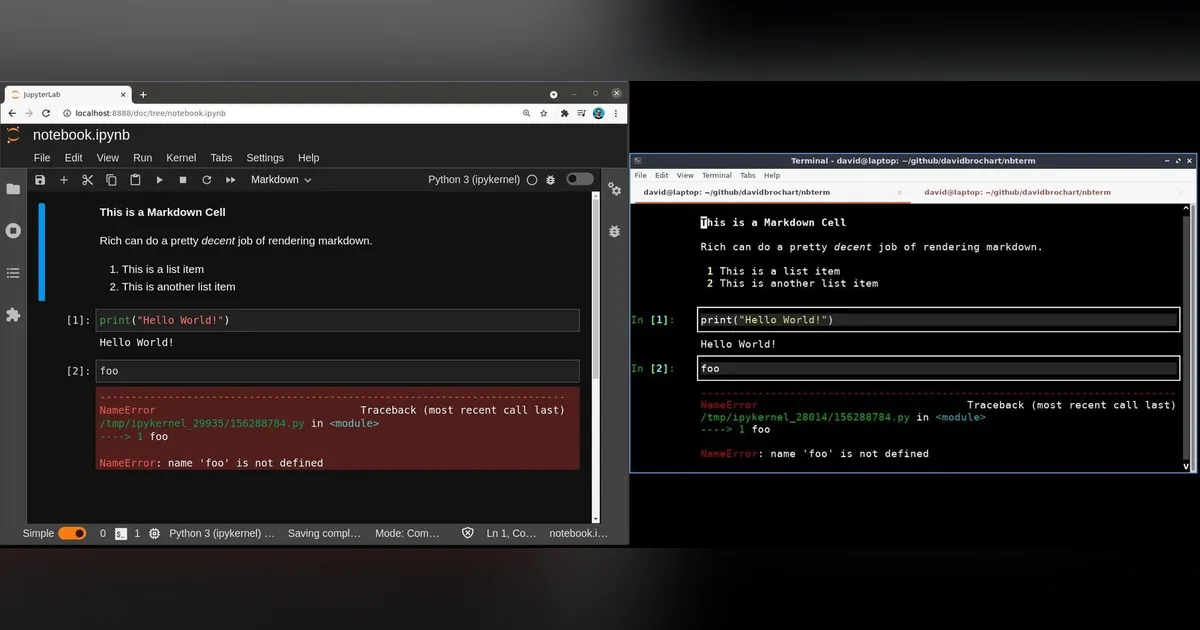
Jupyter notebooks are mostly known for their web-based user interface, such as JupyterLab or the Classic Notebook. They offer a great user experience, allow for rich output rendering, provide interactivity through e.g. widgets, and make possible working with remote kernels.
Last year we ran the first iteration of the JupyterHub Contributor in Residence role. This post is a short report about what we learned, in the hopes that it guides other projects in pursuing similar programs.
Last year, we set ourselves to implement a visual debugger for JupyterLab. This endeavor required major developments in the JupyterLab front-end, in core-Jupyter protocols, and on the kernel side (the part of the Jupyter infrastructure responsible for executing the code).
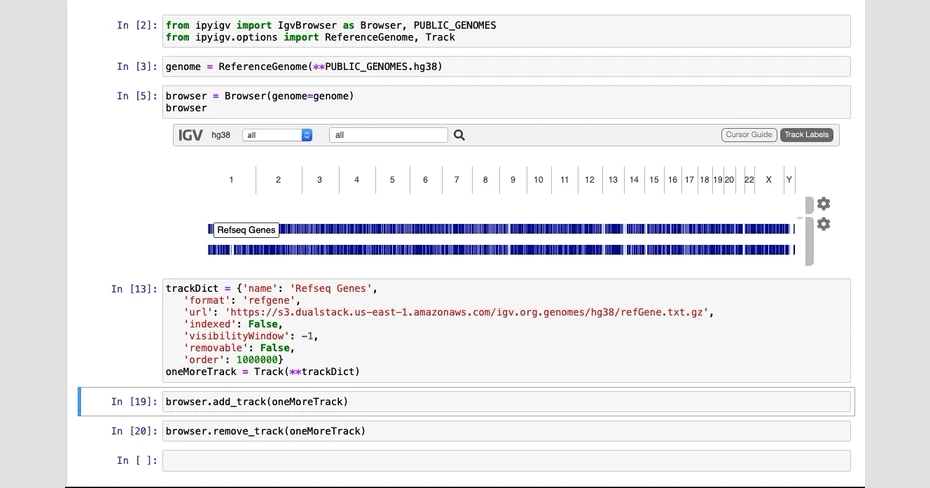
If there is one thing that recent events tell us, it is that genomics is a large source of data, and that its manipulation and understanding allow for the quick development of new drugs and… vaccines.
xeus-sql: A xeus-sqlite sequel
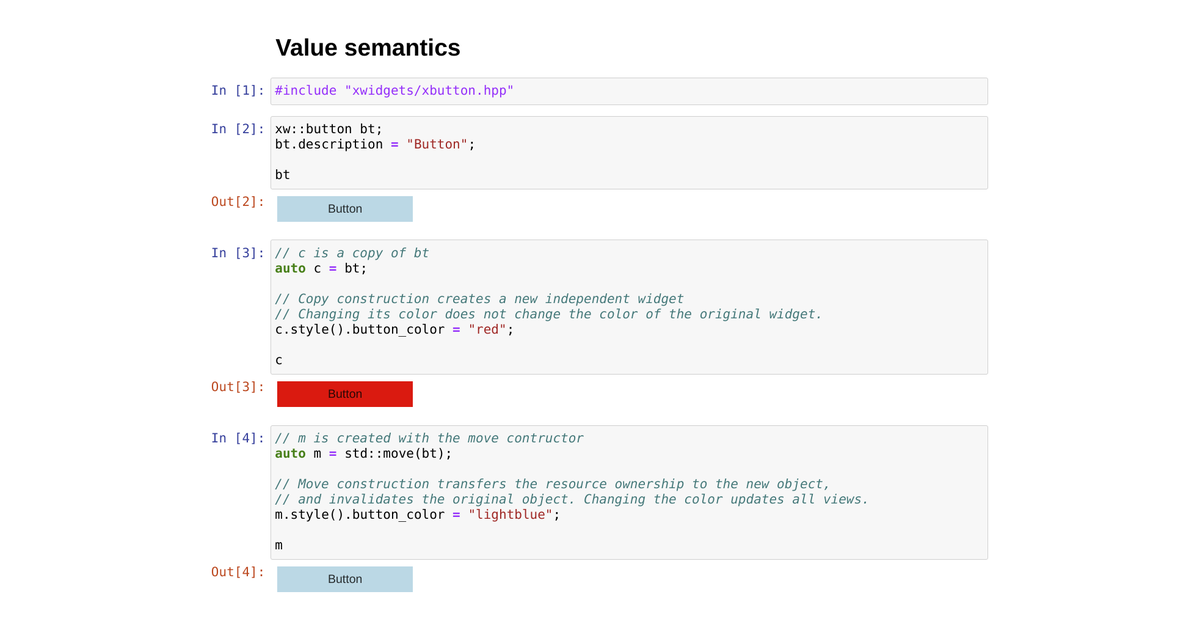
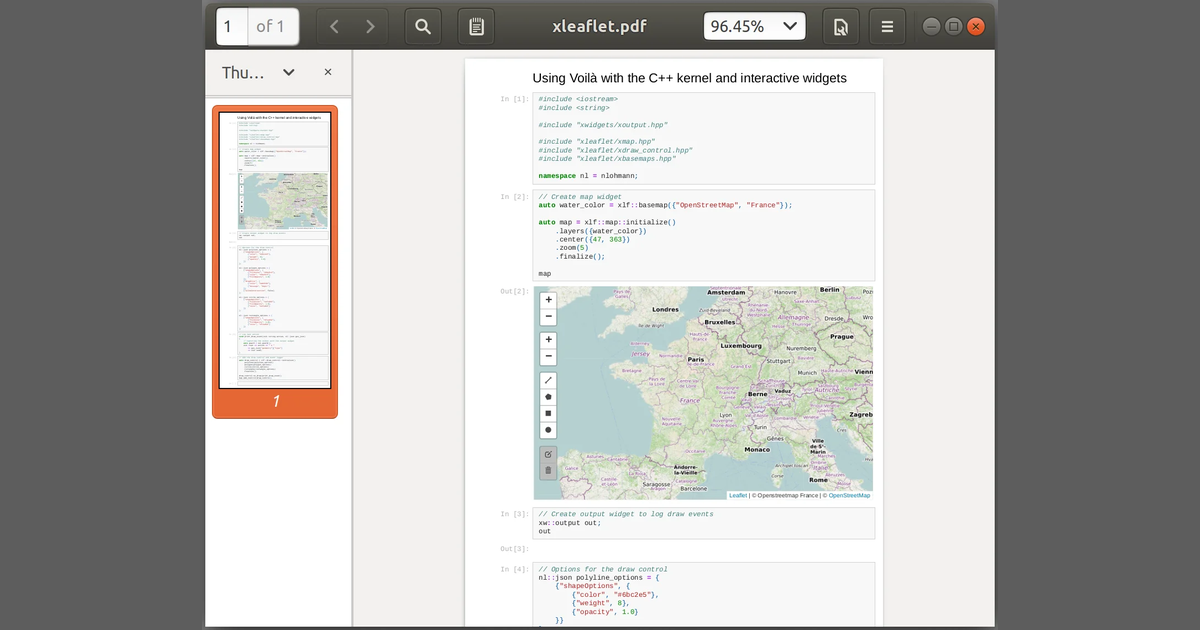
Diving into the implementation of xwidgets
Introducing a new Jupyter kernel for Robot Framework
Project Jupyter offers a complete suite of open-source tools for the scientific computing community, reaching from the exploratory phase of a project to the presentation of the results.
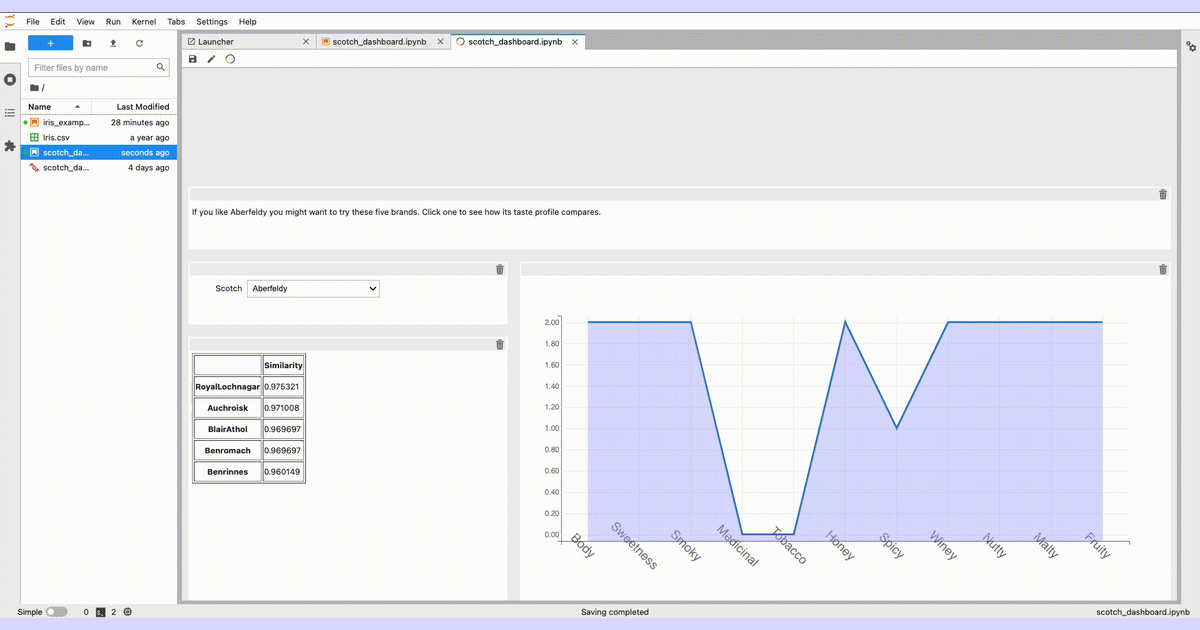
The 3.0 release of JupyterLab brings many new features to users and substantial improvements to the extension system.
The 2020 end-user survey is live!
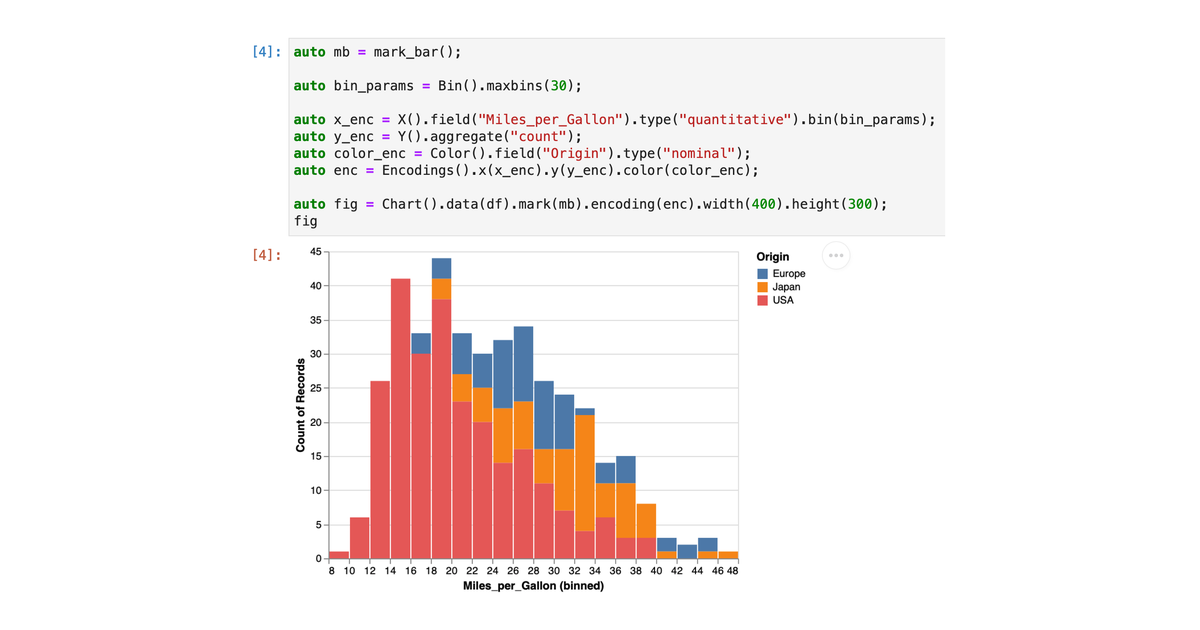
In this post, we present the first public release of XVega, a C++ library for producing Vega-Lite charts.
Last month at JupyterCon’s final keynote, we proudly announced the recipients of the Jupyter Distinguished Contributor (JDC) award for the special election of our inaugural cohort of contributors.
In this blog post, we will introduce the Elyra code snippet extension, which enables us to reuse arbitrary snippets of code in your notebooks, source code, or markdown files in JupyterLab.
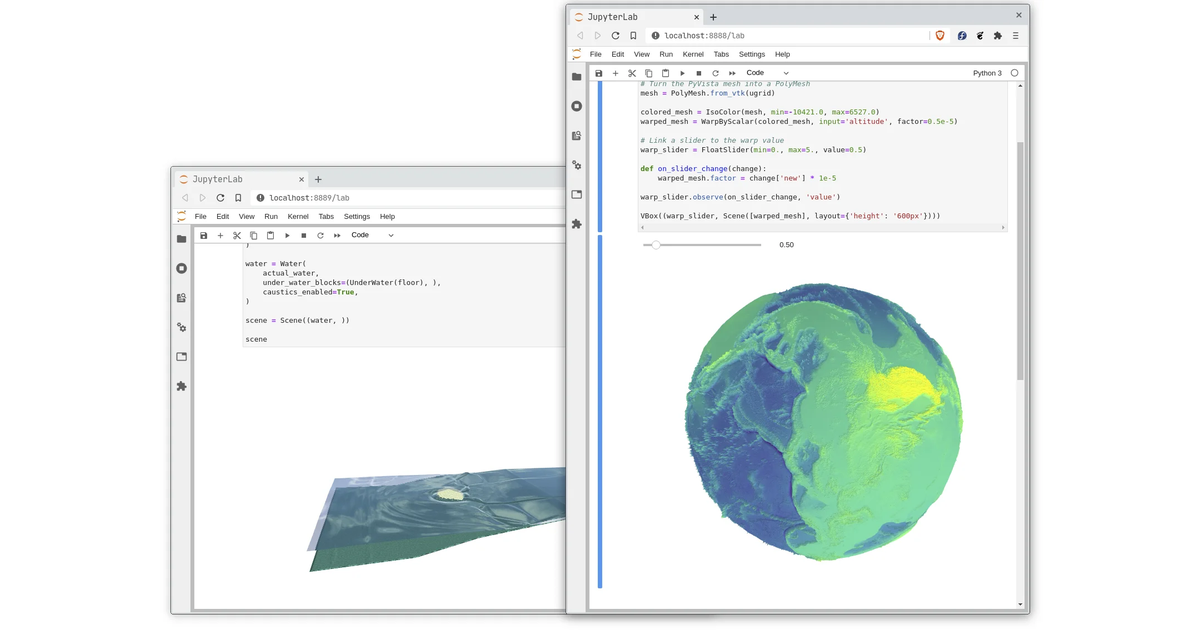
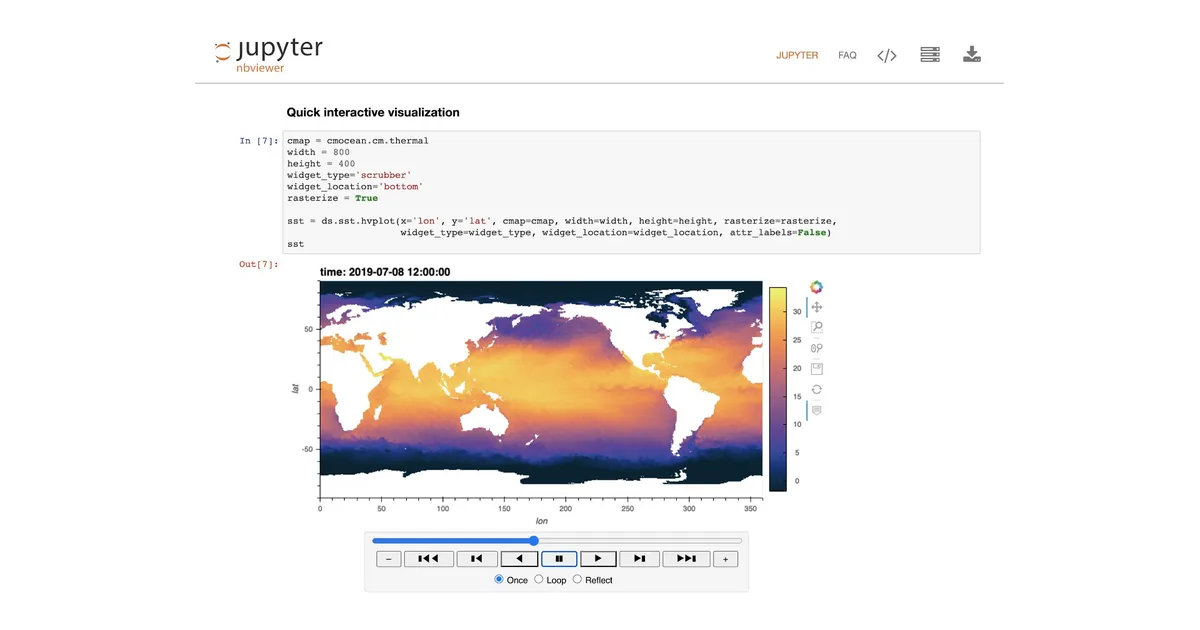
Scientific visualization in the Jupyter notebook
JupyterCon 2020 keynote speaker announcement
JupyterCon 2020 keynote speaker announcement
JupyterCon 2020 keynote speaker announcement
One of the main changes in nbconvert 6 is the refactor of the template system, which should be easier to extend and build upon.
Summary of the EarthCube community meeting on July 27, 2020
JupyterCon 2020 keynote speaker announcement
Jupyter Book is an open source project for building beautiful, publication-quality books, websites, and documents from source material that contains computational content.
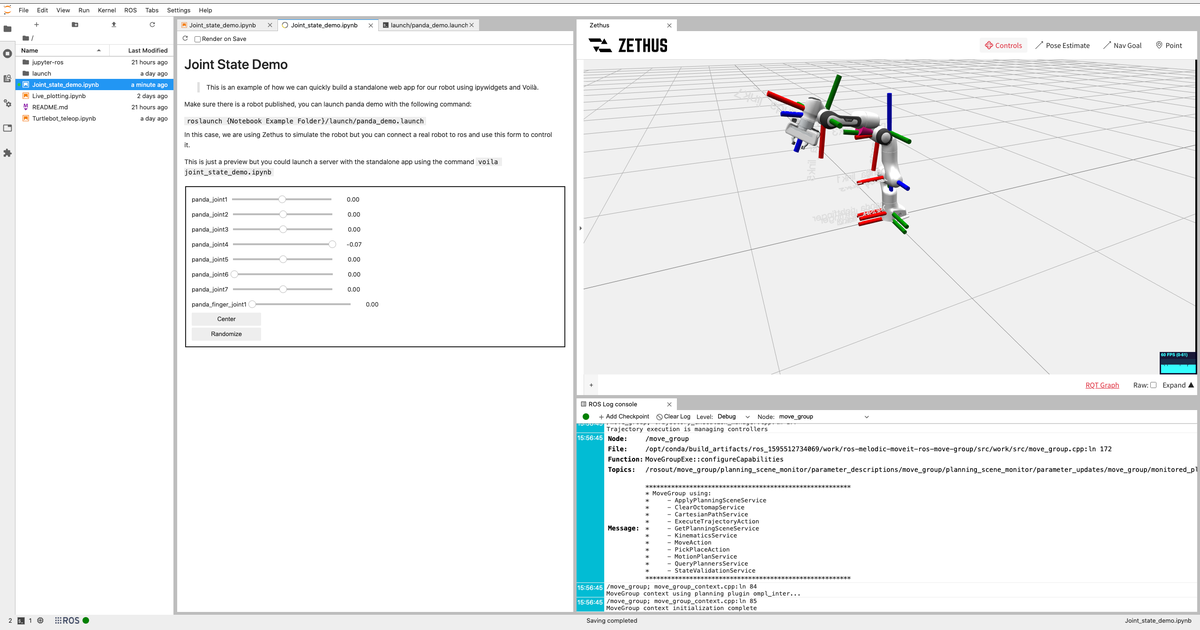
Building a cloud robotics development platform using JupyterLab and ROS